
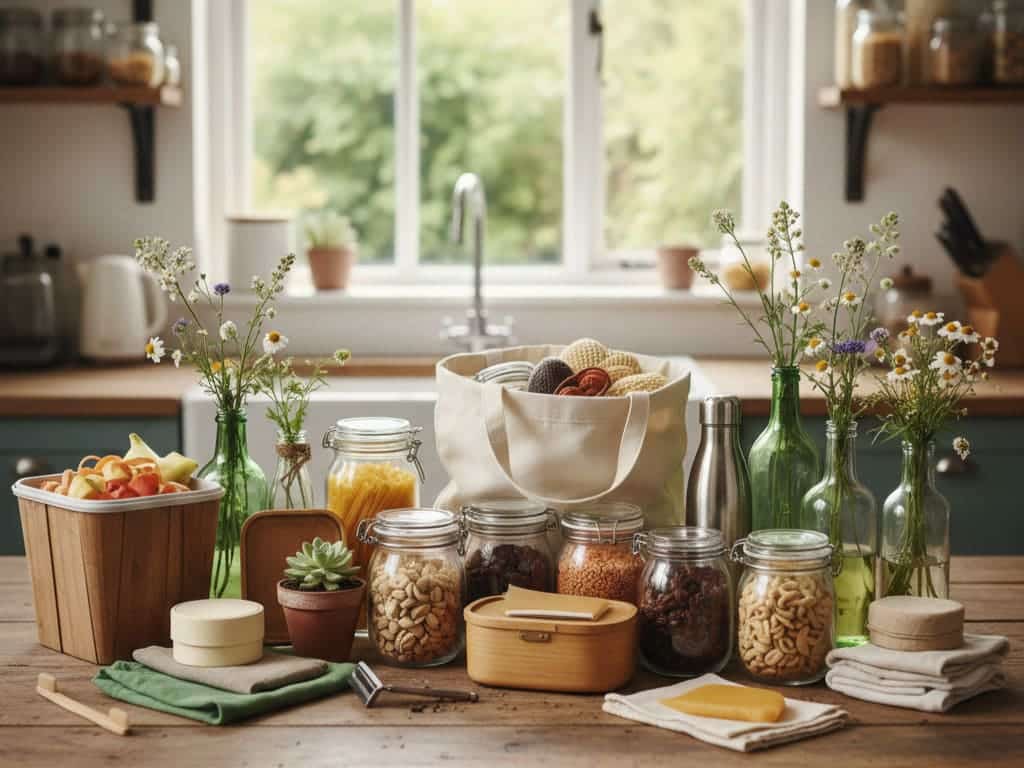
A zero waste lifestyle can help you cut waste, save resources, and care for the environment. It means using less, reusing items, recycling smartly, and composting organic waste. For a homeowner in Winnipeg, embracing a zero waste lifestyle can reduce the volume of trash you send out, ease pressure on local landfills, and make your home more sustainable.
Here’s what this article covers: what a zero waste lifestyle is, why it matters in Canada (and in Winnipeg), and how you can start reusing and reducing with practical zero waste lifestyle tips. We also show how a waste-management partner like Mr. Garbage can help you on this path.
What Is a Zero Waste Lifestyle and Why It Matters
Defining Zero Waste Lifestyle
A zero waste lifestyle means making mindful choices to reduce waste at every step. It involves:
- Buying and using fewer disposable items
- Reusing things you already own
- Repairing or repurposing instead of discarding
- Recycling items properly when possible
- Composting organic waste rather than throwing it out
In short, aim to send little to no waste to landfill or incineration.
Why Zero Waste Lifestyle Matters in Winnipeg & Canada
- Greenhouse gas reduction: In Canada, food waste and other organics make up a large share of municipal solid waste. Disposed organic waste in landfills produces methane, a potent greenhouse gas. Diverting food and yard waste from landfills reduces greenhouse gas emissions. Canada
- Resource conservation: Producing new goods requires raw materials, energy, and generates pollution. Reusing and recycling reduce demand for new resources. torontoenvironment.org
- Support healthy soil and local environment: Composting organic waste returns nutrients to soil, supports plants and gardens, and reduces the need for chemical fertilizers. NRDC
- Less pressure on landfills & waste systems: Reducing waste means fewer items go to landfills. This extends landfill life, reduces truck pickups, and lowers environmental impact. Canada
Given how much food and organic waste households produce, even small changes can add up. For Winnipeg homeowners, zero waste lifestyle isn’t just idealism; it can make a real difference.
How to Start a Zero Waste Lifestyle at Home
Zero Waste Lifestyle Tips That Work
1. Audit Your Waste Habits
Before changing habits, know what you throw out. For a week, track what goes into your garbage bin: food scraps, packaging, paper, plastic, yard waste. This shows what you can reduce, reuse, or compost.
2. Reduce: Buy Less Disposable Products
- Use reusable bags, containers, and bottles instead of single-use packaging.
- Choose products with minimal or recyclable packaging.
- Repair items instead of replacing them.
- Borrow, rent, or buy second-hand when possible (tools, furniture, décor).
Fewer new items bought = less waste generated.
3. Reuse & Repurpose: Give Items a Second Life
- Glass jars make good storage containers.
- Old clothes can become rags, bags, or cleaning cloths.
- Broken furniture or wood can be repurposed, upcycled, or repaired.
- Donate usable items you no longer need, like clothes, books, and household goods.
This keeps useful items out of the landfill and benefits others in your community.
4. Compost Organic Waste
Food scraps, vegetable peelings, yard waste, paper bags, leaves, these are compostable. Composting converts organic waste into nutrient-rich compost that helps soil and plants. NRDC
For many Winnipeg households, composting or using a compost service makes the zero waste lifestyle easier.
5. Recycle Smart
Separate recyclables: paper, cardboard, glass, metal, certain plastics, and rinse them before placing them in recycling bins. Make sure you follow Winnipeg’s recycling rules to avoid contamination.
6. Plan Meals & Avoid Food Waste
Food waste is a big part of household waste. Planning meals, storing food properly, and using leftovers can cut waste drastically. food-guide.canada.ca
7. Choose Durable, Long-Lasting Products
Switch to items built to last: stainless steel, wood, glass, heavy-duty fabrics, instead of short-life plastic items. Durable products mean less frequent replacements.
8. Support Shared, Circular Economy: Borrow & Share When Possible
Share tools, appliances, and recreational gear with friends or neighbours. Use sharing platforms. That reduces the need for each household to own seldom-used items.
What a Zero Waste Lifestyle Looks Like for a Winnipeg Home: Real-Life Example
Imagine a family in a Winnipeg suburb. Here’s how they apply the zero waste lifestyle tips:
- They bring reusable bags to the grocery store.
- They use glass jars and containers to store bulk items (rice, grains, flour).
- They compost kitchen scraps and yard waste using a backyard composter.
- They sort recyclables properly and reduce plastic use.
- They share seldom-used tools (e.g., lawn mower, ladder) with neighbours.
- They shop second-hand or repair broken items instead of replacing them.
Over time, they notice: less garbage bag waste, fewer trips to disposal or sorting stations, richer soil for their garden, and a lighter environmental footprint.
They feel good about reducing waste, saving resources — and caring for their home and community.
Broader Benefits of Zero Waste Lifestyle: Environment, Community, Economy
Environmental Gains: Less Emissions, Cleaner Soil, Less Pollution
- Composting and waste diversion cut methane emissions from landfills. ResearchGate
- Less demand for new goods reduces resource extraction, manufacturing energy, and pollution associated with production. torontoenvironment.org
- Compost supports soil health, reduces the need for chemical fertilizers, and improves water retention and soil biodiversity. NRDC
Community & Social Benefits: Health, Equity, Circular Economy
- Zero waste reduces pollution; cleaner air, water, and soil. That benefits all neighbours and supports public health. Eco-Cycle
- Reuse and sharing build community; sharing tools, donating items, supporting local thrift or reuse businesses.
- Recycling and composting create green-economy jobs: collection, compost facilities, recycling centers, and repair shops. torontoenvironment.org
Long-Term Lifestyle Benefits: Savings, Sustainability, Resilience
- Buying less and reusing more can save money on replacements and trash fees.
- Composting can support home gardens, reducing reliance on store-bought soil amendments.
- A zero waste lifestyle helps you adapt to changing regulations, higher disposal costs, or limited waste infrastructure.
- Over time, zero waste habits become natural, less clutter, less waste, more mindful consumption.
How Services Like Mr. Garbage Can Support Your Zero Waste Lifestyle in Winnipeg
Adopting zero waste doesn’t always mean doing everything yourself. A local waste-management partner can help, especially if you:
- Produce organic waste but don’t have room for composting (e.g., apartment or small yard)
- Want reliable bin delivery, pickup, and disposal without hassle.
- Need guidance on proper waste separation, recycling, and composting streams.
- Desire regular waste-diversion support (compost, recycling, pickup)
Mr. Garbage offers services aligned with zero waste principles. They can supply compost bins or recycling bins, manage pickups and disposal, and help ensure waste is processed according to local regulations. For busy homeowners, that makes zero waste more practical.
Working with a trusted local service means you stay compliant with waste rules, reduce environmental impact, and maintain convenience, all at once.
Challenges & How to Overcome Them
Adopting zero waste isn’t always easy. Here are common challenges and how to address them:
Lack of Time or Space for Composting
If you don’t have a yard or outdoor space, composting might feel tough. Solution: use small indoor compost bins, or partner with a local waste-management provider (like Mr. Garbage) that offers compost collection.
Contamination of Recyclables or Compostables
If you mix plastics, contaminated recyclables, or non-organic items with compost or recycling, materials may get rejected. Solution: Label bins clearly, educate household members, and follow local sorting guidelines.
Habits & Convenience
It’s easier to grab a plastic bag or toss scraps in a bin. Changing habits takes effort. Solution: start small, replace one item at a time (like a reusable bag), or commit to composting kitchen scraps. Small changes add up.
Misunderstanding What “Zero Waste” Means
Some think zero waste means perfection. That makes the goal daunting. Reality: Zero waste is about progress. Even partial reduction helps. Aim to reduce, reuse, and compost, even if you can’t eliminate all waste.
Conclusion
A zero waste lifestyle offers real benefits: less waste, a cleaner environment, healthier soil, lower emissions, and more sustainable living. For homeowners in Winnipeg, it’s practical and meaningful.
You don’t have to go all-in at once. Start with small changes: reuse containers, compost kitchen scraps, plan meals, and recycle properly. Over time, these small steps can make a big difference.
If you want support with waste collection, composting, recycling, or disposal, reaching out to a local, licensed provider like Mr. Garbage makes the process much easier. They can help supply bins, manage pickup, and keep things compliant.
Consider taking the first step toward a zero waste lifestyle. Contact Mr. Garbage to explore bin rental, compost bin service, or recycling support and make your home part of a cleaner, greener Winnipeg.
Frequently Asked Questions (FAQs)
Here are common questions about zero-waste lifestyle and straightforward answers.
Q1: What is a “zero waste lifestyle” exactly?
A1: It means reducing what you throw away by reusing items, recycling properly, composting organic waste, and choosing durable products. The aim is to minimize waste sent to landfill or incineration.
Q2: How can I start a zero waste lifestyle without major effort?
A2: Begin small. Try reusable shopping bags, use jars/containers instead of disposable packaging, compost kitchen scraps, and plan meals to reduce food waste. Over time, build more habits.
Q3: Does composting really help the environment?
A3: Yes. Composting prevents organic waste from creating methane in landfills. It recycles nutrients back into soil, reduces fertilizer need, and supports healthier soil and plants.
Q4: I live in a small home. Can I still follow a zero-waste lifestyle?
A4: Absolutely. Use small indoor compost bins, sort recyclables, reuse containers, and consider local compost/bin services for pickup if space is limited.
Q5: How can I get help managing waste and composting in Winnipeg?
A5: A local provider like Mr. Garbage can help. They supply bins, handle pickups and disposal, and help you follow proper waste-diversion practices. It simplifies zero waste living when you don’t want to manage everything yourself.