
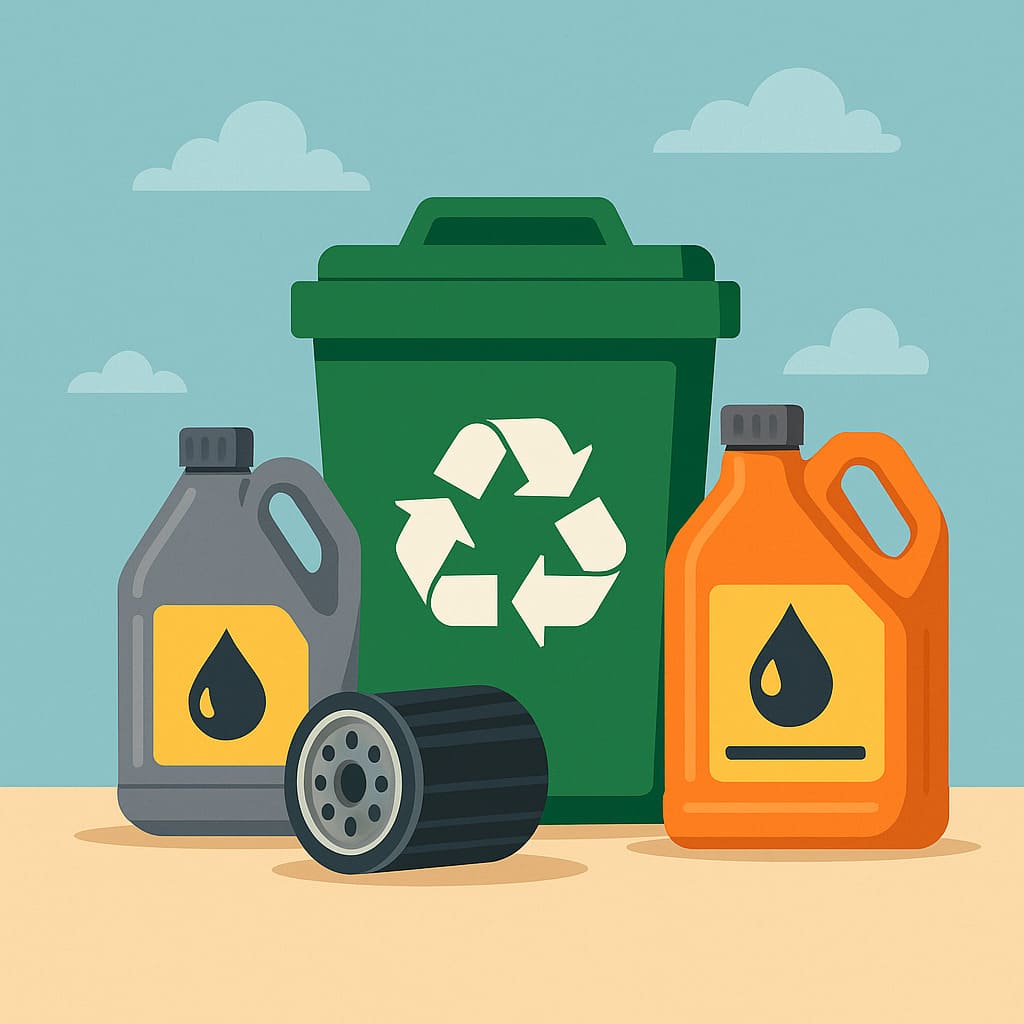
Industrial waste recycling means diverting waste from factories, workshops, and construction sites back into useful materials. It covers metals, concrete, wood, plastics, and electronics. It also covers some hazardous streams that need special handling. Industrial waste recycling lowers landfill use. It reduces pollution and saves resources. This article explains how it works in Winnipeg, why it matters, and how to pick a local partner like Mr. Garbage.
Why industrial waste recycling matters to Winnipeg homeowners
Industrial waste recycling affects neighbourhoods, air quality, and local landfills. When businesses recycle more, nearby residents see fewer truck trips to the landfill and less risk from improper disposal. Governments track diversion targets across Canada and Manitoba to reduce waste going to disposal. The federal indicator tracks progress toward reducing landfill disposal and increasing diversion.
Manitoba also enforces rules for hazardous and industrial wastes. This makes safe handling and documentation important for any company moving industrial material. A provider that follows Manitoba’s hazardous waste compliance practices reduces legal and environmental risk for property owners.
What counts as industrial waste recycling?
Common material streams included in industrial waste recycling
- Scrap metal and ferrous/non-ferrous metals.
- Concrete and masonry (crushing and reuse).
- Wood and pallets (repurposing or biomass).
- Industrial plastics (pellets, regrind, or energy recovery).
- Electronic waste (e-waste recycling for circuit boards, batteries).
- Contaminated items that require licensed handling.
Each stream has different recycling paths. For example, metals go to metal recyclers. Concrete can be crushed for road base or reclaimed fill. E-waste goes to certified processors.
Rules and safety: what Winnipeg and Manitoba require
Manitoba’s hazardous waste program explains generator responsibilities, manifesting, and transport rules. If you handle or move hazardous industrial waste, you must follow provincial guidance and keep records. A compliance guide outlines the steps and responsibilities for generators and transporters.
The City of Winnipeg has its own integrated waste strategy and service standards. Local providers need to know city routing, transfer stations, and rules for placing bins on streets or private property. A local company helps avoid fines and delays.
Workplace safety is also required. The Canadian Centre for Occupational Health and Safety recommends training and safe practices for hazardous waste handling. That protects workers and residents near industrial sites.
The main benefits of industrial waste recycling
- Reduces landfill volume and prolongs landfill life.
- Lowers pollution from extraction and manufacturing.
- Keeps valuable materials in circulation.
- Helps companies meet regulatory requirements and social responsibility goals.
- Reduces risk of illegal dumping and hazardous exposures in your neighbourhood.
Canada tracks national progress on diversion and disposal. The data show a national push to divert more waste from landfills. Choosing companies that actively recycle supports those targets.
How industrial waste recycling actually happens
1. Audit and segregation
A crew inspects the site and lists streams. They separate metals, concrete, wood, plastics, and mixed waste. Clean separation improves recycling rates.
2. Collection and sorting
Bins, roll-offs, or hook-lift containers move materials. On-site sorting or off-site MRFs (materials recovery facilities) further separate materials for processing.
3. Transport to specialized facilities
Different materials go to different places. Metals go to scrap yards. Concrete often goes to crushing facilities. E-waste goes to certified electronics recyclers. Hazardous items go to licensed handlers with manifests.
4. Processing and reuse
Materials are crushed, shredded, melted, or chemically processed. They re-enter supply chains as raw materials or are handled safely if hazardous.
Special focus: e-waste and industrial plastics
E-waste recycling
E-waste is one of the fastest-growing waste streams in Canada. Studies estimate significant growth in electronics waste per person over recent decades. E-waste requires certified processing to recover metals and safely handle batteries and hazardous components.
Industrial plastic recycling
Industrial plastic recycling covers rigid plastics, film, and mixed polymer streams. Clean, separated plastics are most valuable. Some industrial plastics can be reprocessed into pellets. Others need chemical recycling or energy recovery, depending on contamination and polymer type.
A local provider that sorts plastics onsite increases the chance these materials are recycled instead of landfilled.
How can homeowners and small business owners in Winnipeg support industrial waste recycling
- Ask contractors to separate materials before removal.
- Choose local firms that document recycling and disposal.
- Ask for manifests or receipts for hazardous items.
- Donate usable items where appropriate.
- Ask suppliers to reduce packaging or take back pallets and crates.
Even if you’re a homeowner arranging a renovation, these steps help with industrial waste recycling at the project level.
How to pick a good industrial waste recycling partner in Winnipeg
Check these essentials
- Local experience in Winnipeg and Manitoba. Local knowledge matters for routing and diversion.
- Clear hazardous waste procedures and manifesting.
- Recycling and diversion commitments. Ask where materials go.
- Proof of insurance and safety training.
- Written documentation after the job: receipts, manifests, and diversion notes.
Ask for references and a site plan
A reputable provider will offer a simple plan for your project. They will explain bin placement, truck access, sorting, and the final destination of materials.
Real-world example: a Winnipeg light-industrial site cleanup
A Winnipeg light-industrial site needed a cleanup after equipment upgrades. The chosen provider:
- Performed an on-site audit, separating metals, concrete, wood pallets, and electronics.
- Placed appropriate bins and arranged certified e-waste pickup.
- Identified some used solvents as hazardous, labelled them, and issued manifests to a licensed processor.
- Provided a final report showing materials diverted to recycling vs. disposed of.
That local, documented approach protected the owner and the community.
Why working with Mr. Garbage helps industrial waste recycling in Winnipeg.
Mr. Garbage offers industrial waste disposal and commercial waste services in Winnipeg. They provide onsite assessments, proper routing for regulated materials, and documentation for disposal and recycling. They also offer bin rentals sized for industrial projects and hook-lift trucks for tight spots. These local services help keep materials in recycling streams and manage hazardous loads responsibly.
If you need a site assessment or a plan for industrial waste recycling, a local provider like Mr. Garbage can explain what materials they can recycle, how they document hazardous streams, and where the materials will be processed.
Common barriers and how to overcome them
Barrier: Mixed and contaminated loads
Contaminated loads lower the recycling value.
Solution: Separate streams onsite or use a company that sorts.
Barrier: Lack of local recycling options
Some specialized materials need specific processors.
Solution: Ask your provider where they send materials and request certified handlers.
Barrier: Unclear regulations
Provincial rules can seem complex.
Solution: Choose a provider that follows Manitoba’s hazardous waste compliance guide and keeps records.
Quick checklist: before any industrial waste pickup
- Identify material types on site.
- Tell the provider about potential hazardous items.
- Confirm manifesting and documentation for regulated streams.
- Confirm bin sizes and truck access.
- Ask where each material will be processed or recycled.
- Request a final diversion summary.
Conclusion
Industrial waste recycling is not just an industry term. It is a practical way to keep useful materials in use and protect neighborhoods. In Winnipeg, following provincial rules and local guidance is essential. Choose a local, documented provider who sorts materials and handles hazardous streams responsibly. Mr. Garbage offers industrial waste recycling support in Winnipeg, from bins to licensed transport and proper documentation. If you want a site review or a plan for industrial waste recycling on your property, contact Mr. Garbage to discuss next steps.
Frequently Asked Questions (FAQs)
What is industrial waste recycling?
Industrial waste recycling is the recovery and reuse of materials from industrial, construction, and commercial sites. It includes metals, concrete, wood, plastics, and electronics, and may involve specialized handling for hazardous items.
Does Manitoba require special documentation for hazardous industrial waste?
Yes. Manitoba’s hazardous waste program requires specific procedures, tracking, and manifests when hazardous materials are transported and disposed. A licensed provider will follow those rules and provide documentation.
Can e-waste be recycled in Winnipeg?
Yes. E-waste can be sent to certified processors that recover metals and safely handle batteries and hazardous components. Ask your provider where they route e-waste.
How can I make my renovation project more recyclable?
Separate materials onsite, donate reusable items, ask contractors to avoid mixing streams, and choose a local provider that documents recycling and diversion.
Why choose a local company for industrial waste recycling?
Local companies know Winnipeg routes, transfer stations, and provincial rules. They can reduce transport, handle permits, and maintain relationships with local recyclers.