
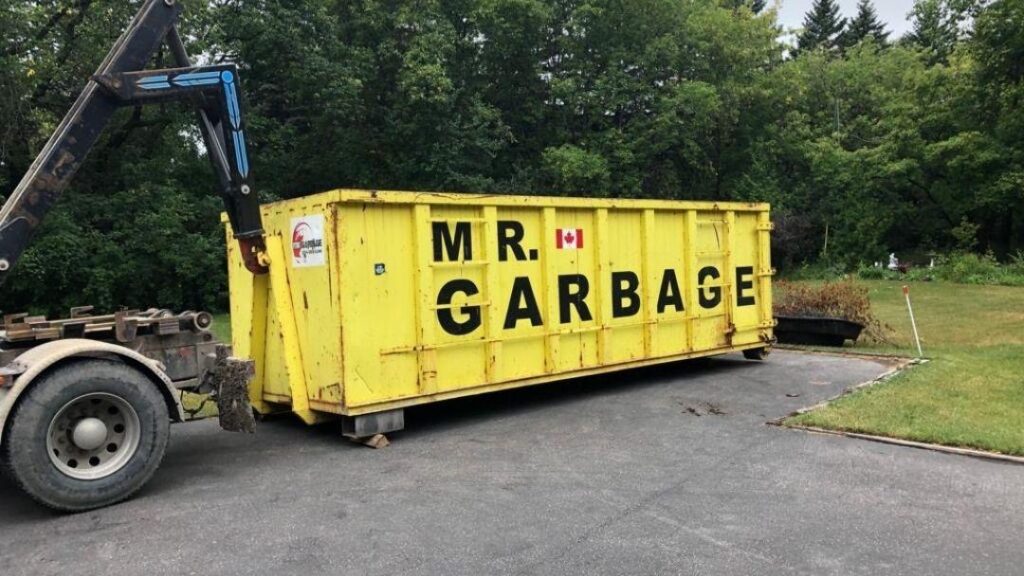
Planning a renovation or a big cleanup in Winnipeg? Picking the right garbage removal container rental size keeps work moving and makes the job safer. Choose too small, and you pause work. Choose too big, and you waste space. This guide walks homeowners through the practical steps: how to estimate volume, check access, follow city rules, and work with local companies like Mr. Garbage. I’ll also explain how different container types match common projects and how to prepare your site for delivery.
Garbage removal container rental: start with your project type
Identify the main waste stream
First, list the main waste you will throw away. Is it mostly demolition drywall, old cabinets, tile, yard brush, or mixed household junk? Different materials pack and weigh differently. Drywall and tile can be heavy. Soft items like insulation and boxes take up more space. Knowing the mix helps your rental company recommend the right bin.
Match container types to jobs
- Small cleanouts and single-room remodels often use small walk-in or low-profile bins.
- Medium renovations like kitchens or multiple bathrooms fit mid-size roll-off containers.
- Whole-house gutting or large landscaping projects typically need the largest roll-off bins available.
Industry size guides explain these general matches and help you visualize capacity. dumpsters.com
How to estimate volume for a garbage removal container rental
Use a simple item checklist
Walk the site and note major items: cabinets, doors, windows, piles of drywall, pallets of tile, and bulky furniture. Count or photograph them. This quick audit gives your hauler a clear idea and lowers the chance of needing a second bin.
Think in loads, not exact numbers
A practical method is to think about how many pickup loads the bin will replace. Industry guides describe common load equivalents by dumpster size. Tell the rental company what you have and share photos if you can. That usually gives them enough to recommend a size.
Garbage removal container rental sizes explained
Small bins and walk-in containers
These are easy to load by hand. They work well for attic or basement cleanouts, single-room decluttering, and small repairs. They fit tight driveways and often have doors for easy walk-in access.
Mid-size roll-off containers
Mid-size bins are the most common for residential renovations. They handle cabinets, drywall, flooring, and medium volumes of demolition waste. They require a flat area for placement and can be loaded over several days.
Large roll-off containers for big projects
Large roll-offs are used on construction sites and major renovations. They hold bulky debris and large volumes. If you expect a steady waste flow across weeks, these bins prevent multiple deliveries.
For exact dimensions and nominal capacity ranges, see industry dumpster size guides for visual comparisons. wasteconnections.com
Access and placement: practical checks before booking a garbage removal container rental
Measure the driveway and overhead clearance
Measure where the bin will sit. Check length, width, and overhead clearance from wires or tree branches. Roll-off trucks need room to set a bin down. If access is tight, a smaller bin or a different placement may be necessary.
Decide private vs public placement (permits)
If the bin sits fully on your driveway or private land, you usually do not need a city permit. If you plan to place the container on a street, sidewalk, or boulevard, you typically need a street placement or right-of-way permit from the City of Winnipeg. Confirm permit needs with your hauler before delivery to avoid fines or delays. City of Winnipeg
Protect surfaces under the bin
If you are worried about marks on a driveway or stone pavers, ask your hauler to lay protective boards under the bin. This simple step prevents damage and eases cleanup.
Material rules: what can and cannot go into a garbage removal container rental
Commonly accepted construction and household debris
Most garbage container rentals accept wood, drywall, tile, plaster, non-hazardous furniture, and small amounts of mixed household junk. Metal scraps are commonly accepted and often separated at the processing facility.
Hazardous and special waste exceptions
Hazardous materials—such as liquid paint, solvents, asbestos, certain batteries, propane tanks, and some electronics—require special handling. Do not load these into a standard container. Check with your hauler or the City for safe disposal options. The City’s landfill and transfer sites detail special waste handling procedures. City of Winnipeg
Yard waste and organics rules
If your load is mostly leaves, grass, or brush, the City of Winnipeg runs organics and yard waste programs and drop-off depots that are often a better match. For mixed loads that include organics and construction debris, tell your hauler so they can route materials appropriately. Mr. Garbage coordinates organics diversion when possible. City of Winnipeg
Where your waste goes after pickup: transfer stations and composting
Sorting, transfer, and diversion steps
Most collection trucks take full loads to a local transfer station or sorting facility. There, recyclable metals, clean wood, and other materials are separated and sent to processors. Organics are routed to composting facilities when they are collected separately or sorted out. Knowing this helps you choose a hauler committed to diversion.
Local processing and Brady Road context
Winnipeg’s Brady Road Resource Management Facility is the central site for landfill and organics management in the region. It supports composting and diversion initiatives that reduce landfill methane and return finished compost to local uses. Ask your provider if they route organics or recyclables to these local processors. City of Winnipeg
How to work with your rental company and Mr. Garbage to pick the right bin
Share photos and an item list
Send the hauler photos of the waste pile or the rooms being renovated. A short list of heavy or bulky items helps. Mr. Garbage accepts photos and site descriptions to give a tailored recommendation.
Ask about pickup frequency and flexibility
If your project will produce waste steadily, ask if the company can swap or empty the bin mid-project. Some providers offer flexible pickup windows that reduce overfill risk.
Confirm what’s included in the rental
Ask about delivery and pickup timing, what happens if the bin is overfilled, and how the provider handles prohibited items. Clear communication prevents surprises on pickup day. Mr. Garbage provides local support and explains permit requirements and routing. Mr. Garbage
Practical loading tips to get the most from your garbage removal container rental
Load heavy, flat items first
Put heavy or dense items like tile or concrete at the bottom. That provides a stable base and uses space more smartly.
Break down large furniture and cabinetry
Disassemble furniture and remove doors to flatten pieces. This frees up vertical space and reduces the number of sacks or trips.
Stack and compress soft materials
Fold boxes and compress soft materials like insulation or fabrics. Pack them into corners and fill gaps last.
Label separate piles for special handling
Keep hazardous items and electronics in a separate pile. That keeps the main container compliant and makes special disposal straightforward.
Choosing between a container rental and a full junk removal service
When to rent a container
Rent a container if you expect steady daily waste or want control over sorting. Containers work well when you have on-site crews or you want to stage materials over time.
When to hire a junk removal team
Hire a full pickup service for one-time clearouts or if you want the work done without managing a bin. These services load and remove waste quickly but may offer less control over sorting and diversion.
Mr. Garbage offers both container rentals and junk removal services, so you can pick the approach that fits your schedule and workload. Mr. Garbage
Expert perspective
“Plan honestly. Count bulky items, check access, and choose a hauler who explains where the waste will go. Transparency on routing and diversion avoids surprises and helps reduce landfill waste.” — Kim Ellis, Waste Management Advisor, Winnipeg.
This practical advice matches local practices: the right planning speeds projects and supports local diversion goals.
Final checklist before you book a garbage removal container rental
- List and photograph the main waste items.
- Measure placement area and check overhead clearance.
- Decide private vs public placement and confirm permit needs.
- Separate hazardous items and organics.
- Ask the hauler where waste will be processed and whether they divert materials.
- Book delivery and pickup windows and confirm any driveway protection.
If you want help picking a size or arranging permits, Mr. Garbage can review photos and recommend the best container for your Winnipeg project.
Conclusion
Choosing the right garbage removal container rental size comes down to honest planning, clear communication, and local knowledge. Know what you will throw out, measure access, follow Winnipeg’s placement rules, and pick a provider who will route materials responsibly. Mr. Garbage helps homeowners in Winnipeg pick the right bin, handle permits, and divert materials when possible. Send a few photos, and they’ll recommend the best container for your job and handle the delivery and pickup details.
Ready to book a garbage removal container rental in Winnipeg? Contact Mr. Garbage for local advice and same-day support.
Frequently Asked Questions (FAQs)
Q1: What is the best garbage removal container rental size for a kitchen renovation?
A1: For a kitchen renovation, mid-size roll-off containers are often suitable. The exact size depends on how much cabinetry, drywall, and countertop material you remove. Sending photos to your hauler helps them recommend a specific bin.
Q2: Do I need a permit to place a garbage container rental on the street in Winnipeg?
A2: Yes. If the container will sit on a public right-of-way, such as a street, sidewalk, or boulevard, you typically need a street placement or right-of-way permit from the City of Winnipeg. Driveway placements on private property usually do not require a permit.
Q3: Can I mix yard waste with construction debris in the same rental container?
A3: You can mix yard waste and construction debris, but mixing may change how the load is processed. If you want organics routed to composting, discuss separation or routing options with your hauler. Winnipeg has organics and yard waste programs that accept mostly green material.
Q4: What items are not allowed in a standard garbage removal container rental?
A4: Items like liquid paints, solvents, asbestos, certain batteries, propane tanks, and some electronics need special disposal. Keep these separate and contact your rental company or the City for safe handling instructions.
Q5: Where does my waste go after pickup?
A5: Most haulers take loads to local transfer stations, sorting facilities, or the Brady Road Resource Management Facility. Recyclable materials are separated and sent to processors. Organics may be routed to local composting operations when handled separately. Ask your provider for specifics on routing and diversion.