
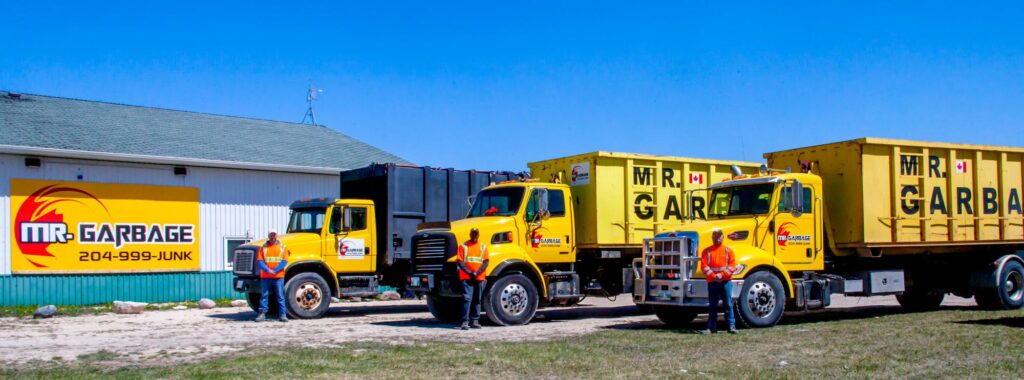
If you’re a homeowner or small contractor in Winnipeg planning a renovation, teardown, or construction project, dealing with debris is part of the job. But what’s the most responsible, compliant, and eco-friendly way to handle that waste? In this guide, we’ll walk you through everything you need to know about demolition waste disposal in Winnipeg, what counts as demolition waste, where to dispose of it, what regulations apply, and how your project can minimize landfill impact. We’ll also demonstrate how a service like Mr. Garbage simplifies the process by delivering bins, sorting materials, and routing waste to the proper processors.
What Exactly Is Demolition Waste Disposal
Defining Construction & Demolition Waste
“Construction and demolition (C&D) waste,” also called demolition waste, covers the materials produced when buildings, additions, decks, garages, or interior walls are demolished, renovated, or remodeled. Typical waste streams include:
- Concrete, masonry, bricks, asphalt, and rubble
- Scrap metal, wiring, plumbing fixtures
- Clean lumber or dimensional wood (if untreated or unpainted)
- Drywall and gypsum board (in some cases, depending on condition)
- Roofing, tiles, ceramics, or tile debris
- Windows, doors, sinks, bathtubs, and other fixtures
Depending on the job, these materials might be bulky, heavy, or require special handling, which is why demolition waste disposal must be planned, not improvised.
Why Proper Disposal Matters
Proper demolition waste disposal:
- Keeps hazardous or contaminated materials out of landfill streams
- Helps divert recyclable or reusable materials (metal, concrete aggregate, clean wood, etc.) into recycling or reuse channels, Mr. Garbage
- Reduces environmental impact by lowering demand for virgin materials. Concrete rubble, for example, can be recycled into aggregate or road base rakowskigroup.com
- Ensures compliance with local regulations for the disposal of demolition debris and waste. Winnipeg, CA
In fact, construction and demolition waste represents a large volume in Manitoba’s waste streams, which is why regulators and waste-management services are placing growing emphasis on responsible disposal and diversion. Retail Council of Canada
Understanding Local Rules & Waste-Disposal Infrastructure in Winnipeg
Regulatory Requirements & Hazardous Materials
Before any demolition, especially if you’re tearing down walls, older structures, or buildings with unknown history, you need to be aware of potential hazardous materials: asbestos, lead paint, old wiring, contaminated insulation, or PCB-containing materials.
According to the official provincial guideline on managing demolition debris, waste containing hazardous components (like asbestos, lead, PCBs) must be identified, removed, and handled separately by licensed haulers and processors. A pre-demolition hazardous-materials assessment is strongly recommended. gov.mb.ca
Failing to do so risks environmental harm, health hazards, and regulatory violations.
What the City Allows: Drop-Off & Recycling Depots
For non-hazardous demolition waste (like clean concrete, masonry, metals, clean wood, tile, ceramics, etc.), Winnipeg residents and small contractors can use the city’s network of recycling and disposal depots. The 4R Winnipeg Depots, including sites at Brady Road, Pacific Avenue, and Panet Road, handle a variety of recyclable materials and certain types of demolition debris.
At these depots, residents can drop off materials like:
- Concrete, brick, masonry rubble (if clean and free of hazardous waste)
- Scrap metal and metal fixtures
- Clean tiles, ceramic, sinks/toilets (if removed and separated) janicelukes.ca
- Clean lumber (if untreated and acceptable per depot rules)
- Other non-hazardous building materials are accepted under depot guidelines
These depots provide a useful, lower-impact option for demolition waste disposal near me, especially for smaller projects or cleanups.
Limitations: When Depots Aren’t Enough
However, 4R depots have limitations: they often don’t accept heavily contaminated materials, painted or treated wood, large volumes of mixed debris, or loads that mix general garbage with demolition rubble. Some materials, like mixed waste including wood, drywall, old carpets, or composite materials, may not be accepted or may be subject to rejection due to contamination risk. winnipeg.ca
For larger or mixed demolition jobs or when hazardous materials are present, using a private waste-management service is usually the better, safer, and more reliable path.
How Demolition Waste Disposal Works with Mr. Garbage
Flexible Bin & Waste-Stream Management
At Mr. Garbage, demolition waste disposal in Winnipeg is handled thoughtfully to maximize recycling and minimize landfill. They offer:
- Delivery of appropriately sized bins for demolition debris, including concrete, metal, wood, drywall, and general waste. Mr. Garbage
- On-site separation of waste streams, so recyclable materials (like clean concrete, metal, wood) go to recycling yards, while non-recyclable waste is taken to disposal facilities. Mr. Garbage
- Coordination with local recycling yards and private processors (e.g., concrete recyclers, scrap-metal yards, wood-chipping facilities) for material reuse or proper recycling pathways. rakowskigroup.com
This ensures demolition waste disposal is not just about hauling, it’s about responsible, environmentally-aware processing with compliance to local standards.
Hazardous Waste Identification & Safe Handling
If the project involves old structures, especially pre-1980s buildings, there’s a risk of hazardous materials like asbestos, lead paint, or PCB-containing components. Mr. Garbage can help you identify potential hazards early, and if hazardous materials are found, they coordinate with licensed hazardous-waste carriers to manage removal safely and legally. gov.mb.ca
This is a key advantage over DIY disposal; it reduces health and environmental risk and ensures you stay compliant with regulations.
Salvage, Recycling, and Waste Diversion
Beyond simple disposal, Mr. Garbage helps salvage usable materials, for example, clean lumber, metal fixtures, doors, windows, and routes them to resale or donation if possible. That lowers waste, reduces demand for new materials, and supports circular-economy goals. Mr. Garbage
For concrete or masonry waste, the service can coordinate with local concrete recycling yards like Rakowski Recycling, which accepts clean concrete, bricks, patio stones, and more for reuse as aggregate or road base. rakowskigroup.com
Best Practices for Homeowners & Contractors Undergoing Demolition
Pre-Demolition Audit & Hazardous Check
Before swinging the sledgehammer:
- Inspect structures for potential hazardous materials, asbestos insulation, old paint, lead piping, PCB ballasts, and old wiring.
- If hazardous materials are suspected, hire a licensed abatement contractor to remove and dispose of them safely under provincial guidelines. gov.mb.ca
- Prepare a waste-management plan outlining which materials will be recycled, reused, or sent for disposal.
On-Site Separation & Sorting
Setting up separate bins or piles for different material types, concrete/masonry, metal, clean wood, and general debris, reduces contamination and ensures recyclables are accepted. Mr. Garbage often recommends and supports this separation when delivering bins. Mr. Garbage
Avoid mixing dirt, wet concrete, treated wood, or heavy contamination with clean concrete; these often get rejected by recyclers. rakowskigroup.com
Plan Disposal Routes & Facilities Ahead
Check local 4R Depot policies if you plan to self-haul. For larger jobs, contact Mr. Garbage or a private waste-management service early to schedule bin delivery, pickup, and waste routing.
If your waste includes salvageable items, fixtures, doors, or metal, consider reuse, resale, or donation before disposal.
Document Everything Especially When Hazardous Waste Is Involved
Keep records of hazardous-material assessments, documentation from licensed hazardous-waste carriers or processors, and disposal receipts. This helps with compliance and protects you in case of regulatory inspections.
Why Demolition Waste Disposal Matters
Supporting Waste Diversion & Circular Economy Goals
Construction and demolition waste make up a significant portion of the waste stream in Manitoba. In response, the province and region recently launched a Construction, Renovation, and Demolition Waste Diversion Task Force to reduce landfill dependence and boost reuse/recycling efforts. Retail Council of Canada
By sorting and recycling materials, concrete, metal, wood, and masonry, projects can divert much of their waste from landfills, reduce environmental impact, and support local recycling markets.
Reducing Demand for Virgin Materials
When concrete rubble gets crushed and reused, or scrap metal is melted and reformed, you cut down on new quarrying, mining, and manufacturing demands. That reduces carbon emissions and pollution tied to resource extraction and manufacturing.
Using clean wood for chipping or reuse also lowers pressure on forests for new lumber.
Health, Safety, and Community Responsibility
Proper demolition waste disposal prevents hazardous materials from entering the environment, reduces risk for workers and residents, and keeps communities safer and cleaner over time.
Working with professionals, rather than DIY disposal, helps protect all stakeholders and aligns with environmental stewardship goals.
How to Choose a Demolition Waste Disposal Service
When selecting a service provider for demolition waste disposal near me in Winnipeg, consider:
- Local knowledge & access: A company familiar with Winnipeg’s depots, recycling yards, and regulations.
- Waste-stream separation capabilities: Ability to handle multiple streams (concrete, metal, wood, mixed waste) and route them appropriately.
- Hazardous-waste handling: Ability to coordinate abatement or licensed hazardous-waste transport if needed.
- Salvage and recycling orientation: Offers salvage coordination and sends recyclables to proper processors.
- Transparent documentation: Provides disposal manifests or receipts to prove proper handling important for compliance and record-keeping.
Mr. Garbage meets all these criteria, making it a reliable choice for homeowners and small contractors needing demolition waste disposal services in Winnipeg.
Conclusion
Tackling demolition or renovation is more than just tearing down walls; the way you dispose of waste matters. With proper planning, sorting, and by using a service that understands demolition waste disposal, like Mr. Garbage, you can ensure materials are recycled, hazardous waste is handled safely, and your project doesn’t harm the environment.
Demolition waste disposal doesn’t have to be a headache. If you’re starting a renovation, garage teardown, or full home remodel, reach out to Mr. Garbage. They’ll deliver bins, separate materials, coordinate with local recyclers, and handle the heavy lifting so you can focus on building or renovating.
Ready to manage your demolition debris responsibly? Contact Mr. Garbage today to arrange waste disposal bins and a customized waste-management plan for your Winnipeg project.
Frequently Asked Questions (FAQs)
Q1. What counts as demolition waste in Winnipeg?
A1. Demolition waste includes materials generated during building or renovation work, such as concrete, masonry, clean wood, scrap metal, tiles, drywall, fixtures, and general debris from teardown or renovation.
Q2. Where can I dispose of demolition waste in Winnipeg?
A2. For clean, non-hazardous waste, concrete rubble, metal scrap, and masonry, you can use city resources like 4R Winnipeg Depots. For larger volumes, mixed waste, or hazardous materials, a professional disposal service such as Mr. Garbage is recommended.
Q3. What do I do if my demolition reveals hazardous materials like asbestos or lead paint?
A3. Stop work in that area, arrange for a hazardous-materials assessment, and have removal done by licensed abatement professionals. Hazardous debris must be handled separately under provincial regulations.
Q4. Can demolition waste be recycled instead of being sent to a landfill?
A4. Yes, many materials (clean concrete, scrap metal, clean wood, masonry) can be recycled or reused. Services like Mr. Garbage separate streams and route them to recycling yards or processors.
Q5. How do I choose a good demolition waste disposal company near me?
A5. Look for a provider familiar with Winnipeg regulations and recycling infrastructure, capable of separating waste streams, handling hazardous materials when needed, providing disposal or recycling documentation, and offering flexible bin or dumpster services.