
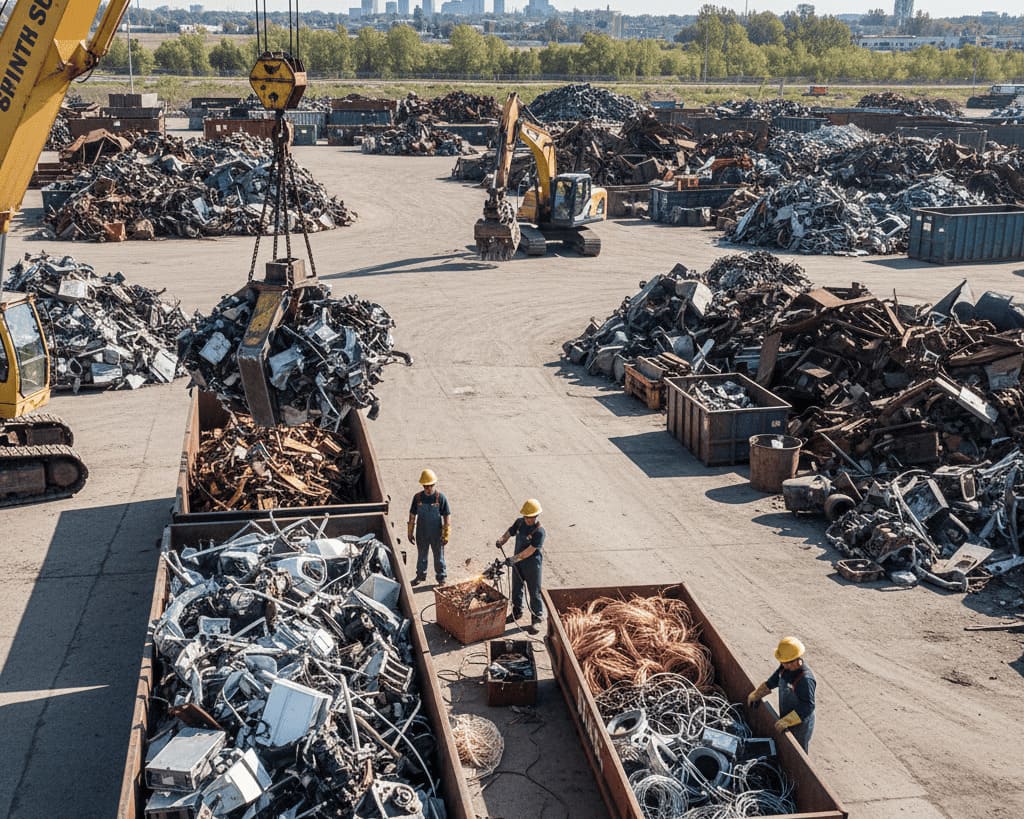
Finding reliable metal recycling near me should be easy. Old gutters, broken lawn chairs, and scrap from a renovation don’t belong in the landfill. They belong back into the circular economy. This guide explains how homeowners in Winnipeg can recycle metals safely and legally. You’ll find local drop-off options, step-by-step prep tips, safety pointers, and how Mr. Garbage helps collect and route metal for recycling.
Recycling metal reduces mining demand and saves energy. It also keeps hazardous materials out of the environment. In Canada, households and businesses diverted almost 10 million tonnes of material from landfill in recent national reporting. That includes metals diverted through recycling and reuse systems.
Why you should look for metal recycling near me
Recycling metal matters for three practical reasons:
- Metal can be recycled over and over. It does not lose its value.
- Recycling metal uses less energy than making metal from ore.
- Local recycling keeps scrap out of the landfill and supports local processors.
When you search for metal recycling near me, you connect your waste to local processors who can sort, melt, and reuse the metal. That closes the loop and benefits local industry and the environment. National diversion figures show the scale of recycling efforts and why individual actions add up.
Common metals homeowners recycle
Homeowners often have a mix of metal items. Here are common examples you can recycle locally:
Ferrous metals (steel, iron)
- Old tools, nails, steel beams, scrap appliances, BBQs.
- These are magnetic and widely accepted by scrap yards.
Non-ferrous metals (aluminum, copper, brass, stainless)
- Aluminum siding, gutters, copper piping, electrical wire, and brass fixtures.
- Non-ferrous metals are generally more valuable to recyclers because they require less processing.
Special items
- Car batteries and catalytic converters need special handling.
- Electronics contain metals, but often go to e-waste routes before metal recovery.
If you aren’t sure what a recycler will accept, call ahead. Many local recyclers list acceptable materials online. Orloff Scrap Metals and Urbanmine are examples of Winnipeg recyclers that handle both ferrous and non-ferrous metals.
Where to find metal recyclers near me in Winnipeg
Here are the main local options Winnipeg homeowners use.
4R Winnipeg depots (municipal drop-offs)
The City of Winnipeg operates 4R depots that accept a range of recyclable and reusable materials. These depots accept appliances and some metal items and are a convenient, official option for residents. Check the depot’s accepted materials list before you go.
Local scrap yards and processors
Independent scrap yards accept mixed metal by type. Orloff Scrap Metals is a long-standing local recycler that accepts a wide variety of ferrous and non-ferrous metals for processing. Urbanmine is another local facility that accepts scrap metal and related materials. These businesses handle sorting, testing, and forwarding material to smelters and foundries.
Specialized recyclers and charities
Some recyclers focus on batteries, e-waste, or appliance processing. The Electronic Recycling Association and community programs take items that contain metals but need separate processing because of electronic components. For large appliances, municipal depots and specialized haulers offer safe routes.
How the metal recycling process works
Understanding the basic steps helps you prepare scrap correctly.
- Collection and drop-off: You bring metal to a depot, or a hauler collects it.
- Sorting and separation: Processors separate ferrous from non-ferrous metals and remove contaminants.
- Shredding and baling: Large pieces are cut or shredded to make transport and melting easier.
- Melting and purification: Furnaces melt metals; impurities are removed.
- Solidifying into new products: Melted metal is cast into ingots or sheets for manufacturing.
These steps are standard at scrap processors in Canada and mirror workplace safety guidance for scrap metal handling. Following basic prep and sorting makes each step faster and safer.
How to prepare metal before recycling
Prepare scrap to speed up acceptance at depots and scrap yards.
Step 1: Separate metals by type
Keep steel and iron separate from copper and aluminum when possible. Many yards pay attention to the material type.
Step 2: Remove non-metal parts
Take off wood, plastic, and insulation. Remove the rubber and cloth. Clean metal where you can.
Step 3: Cut or flatten large pieces
If safe to do so, flatten sheet metal panels and cut long items into manageable lengths. This helps with loading and transport.
Step 4: Drain liquids and remove hazardous parts
Remove gas tanks, oil, or fuel. Don’t bring items with unknown contaminants. Car batteries and propane tanks need separate, approved drop-offs.
Step 5: Keep items dry and stacked
Wet, muddy scrap is harder to process. Stack clean items so crews can load quickly.
If you can’t prepare items, many haulers (including Mr. Garbage) offer pickup and basic prep. They can sort metals on-site and take material to the right processor. That saves a trip and keeps things moving.
Safety tips for handling scrap metal at home
Metal scrap can be sharp and heavy. Keep safety simple.
- Wear heavy gloves and closed-toe shoes.
- Use eye protection when cutting or breaking metal.
- Avoid lifting heavy loads alone. Use a dolly or get help.
- Keep children and pets away from work areas.
- For hazardous or potentially contaminated items, contact a professional.
If a project feels risky, hire a crew. Mr. Garbage offers trained teams that handle heavy and awkward loads safely and follow proper handling procedures.
What to expect at a metal recycling center
When you arrive at a scrap yard or depot, expect:
- Staff to ask what you are dropping off.
- A quick inspection and sorting instructions.
- If applicable, scales to weigh material (for business scrap or accepted household metal).
- Clear rules on special items like batteries or appliances.
Call ahead to confirm hours and accepted materials. Many yards change acceptance lists seasonally or by local demand. Orloff Scrap Metals and Urbanmine list accepted materials and contact details online.
Local examples of where Winnipeg homeowners recycle metal
Here are real places to check first:
- 4R Winnipeg Depots: municipal drop-off sites for appliances and many recyclables. Good for residents who prefer city-run options.
- Orloff Scrap Metals: long-running local scrap yard accepting a wide range of metals. Call ahead to confirm accepted items.
- Urbanmine: accepts scrap metal along with batteries and related materials. Useful for mixed household scrap and small e-waste.
These local options keep metal recycling convenient. If you have large volumes or mixed construction scrap, consider a pickup service or a big bin rental. Mr. Garbage can coordinate these logistics and route metal to the right processor.
Metal recycling and the wider waste picture in Canada
Recycling is part of larger waste management efforts. Recent national reporting shows that Canadian households and businesses diverted almost 10 million tonnes of material from landfills. That number includes metals recycled through municipal and private routes. Recycling metal contributes directly to those diversion totals and supports local manufacturing supply chains.
Local action matters. When Winnipeg homeowners separate and recycle metal, processors can rebuild supply chains and reduce pressure on raw mining. It’s a straightforward way to help both the planet and the local economy.
Why choose Mr. Garbage for metal recycling near me
Mr. Garbage works with Winnipeg homeowners to make metal recycling practical.
- They collect and sort scrap at your property.
- They know which local depots and processors accept specific metals.
- They can provide bin rentals for large projects and handle permit needs for street placement.
- They coordinate donation or recycling routes to keep usable materials out of the landfill.
If you’re short on time or hauling scrap is difficult, Mr. Garbage can pick up metals and bring them to certified processors. That saves you a trip and ensures material goes to the right place. Mention that you’re focused on metal recycling near me, and they’ll plan the route accordingly.
Common questions homeowners ask about metal recycling
Can I put metal in my curbside blue bin?
No. Most curbside programs do not accept loose scrap metal. Use a 4R depot, a scrap yard, or a pickup service instead.
Do I need to clean metal before recycling?
Yes. Remove plastics and wood when you can. Clean metal is easier for processors.
Are car parts and appliances accepted?
Many scrap yards take appliances, and some depots accept large appliances at designated sites. Car parts may be accepted depending on the facility. Ask ahead.
What about batteries and hazardous metal items?
Batteries and some appliance components need special handling. Use designated battery drop-offs or e-waste depots for safe processing.
Quick steps to recycle metal near you
- Sort metal by type at home.
- Remove non-metal attachments.
- Call a local recycler or check the 4R depot list.
- If you can’t transport metal, book a pickup with Mr. Garbage.
- Keep records if you need proof of recycling for a renovation project.
Following these steps gets metal off your property and into reuse streams fast.
Conclusion
Searching for metal recycling near me in Winnipeg is worth the small effort. Local depots like the 4R sites, scrap yards such as Orloff Scrap Metals, and processors like Urbanmine make recycling simple when you prepare scrap correctly. Metal recycling saves energy and resources and reduces landfill pressure. If hauling is a barrier, Mr. Garbage can collect and route your scrap to the right local processors. Contact Mr. Garbage when you want pickup, bin rental, or help finding where to take your metals. Together, we can keep metal moving back into productive use.
Frequently Asked Questions (FAQs)
Q1: What items can I take to a metal recycling center near me?
A1: You can take ferrous metals (steel, iron), non-ferrous metals (aluminum, copper, brass), appliances, and many household metal items. Call the recycler or depot ahead to confirm acceptance.
Q2: Where is the best place for metal recycling near me in Winnipeg?
A2: Start with the City of Winnipeg 4R depots for municipal drop-offs. Private scrap yards like Orloff Scrap Metals and processors like Urbanmine also accept a wide range of metals.
Q3: Do I need to prepare metals before dropping them off?
A3: Yes. Remove non-metal parts where possible, drain liquids, and separate materials by type. Clean, sorted scrap is easier to process and more likely to be accepted.
Q4: Can Mr. Garbage collect metal for recycling if I can’t transport it?
A4: Yes. Mr. Garbage offers pickup and bin rental services and can route metals to certified local processors. Contact them to arrange a collection and sorting plan.
Q5: Why should I recycle metal instead of throwing it away?
A5: Recycling metal saves energy, reduces the need for new mining, and keeps hazardous materials out of landfills. It also supports local recycling businesses and the circular economy. National diversion reports show recycling plays a key role in reducing disposed waste.
Sources
- City of Winnipeg: 4R Winnipeg Depots (drop-off locations and accepted materials).
- Orloff Scrap Metals: local metal recycling and scrap acceptance in Winnipeg.
- Urbanmine Inc: scrap metal and related recycling services in Winnipeg.
- Statistics Canada: Biennial Waste Management Survey: Waste Diversion (2022 national diversion totals).
- CCOHS: Overview of scrap metal recycling process and safety guidance.