
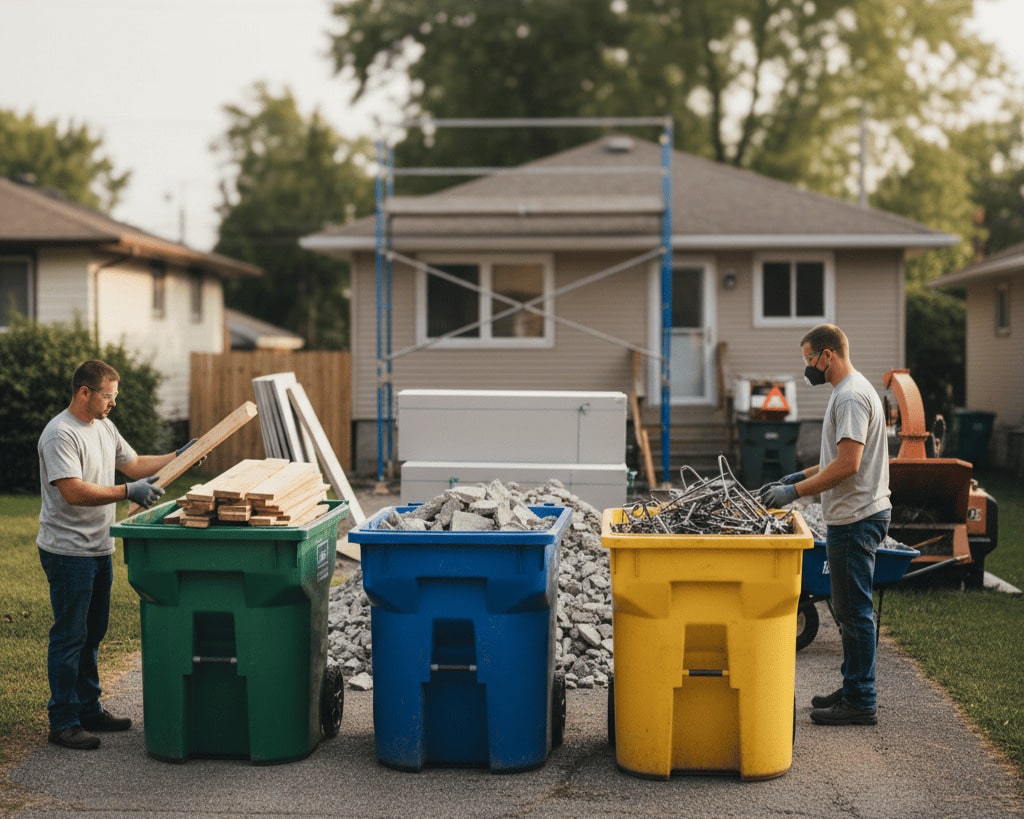
Spring and fall bring yard work and yard waste. Trees drop branches. Lawns need cleanups. Many homeowners choose junk hauling services in Winnipeg to remove leaves, brush, and bulky yard debris quickly and safely. A trusted hauler reduces heavy lifting, speeds the job, and routes material to recycling or composting where possible.
This guide explains how yard waste collection works in Winnipeg, how to prepare your yard for pickup, when to use a local hauler versus municipal services, and why working with a pro like Mr. Garbage makes yard cleanup easier. Facts below reference City of Winnipeg programs and national waste diversion data to help you plan.
What counts as yard waste for junk hauling services in Winnipeg?
Yard waste covers organic material from your property. Typical items include:- Leaves and grass clippings.
- Small branches, brush, and prunings.
- Garden trimmings and plant material.
- Old soil, sod, and clean fill in some cases (check local rules).
City options vs private junk hauling services in Winnipeg
Municipal curbside yard waste service
Winnipeg collects yard waste curbside on a regular schedule. The service runs from spring through fall. Collection frequency is once every two weeks for cart customers, and the season has clear start and end dates. For many homeowners, curbside pickup covers routine lawn and garden debris.When to call junk hauling services in Winnipeg
Use a private hauler when:- You have a large volume from a major cleanup or storm.
- You need same-day or faster removal.
- You require inside pickup or help loading heavy branches.
- You’re doing a landscaping project or tree removal that creates steady debris.
How to prepare yard waste for a hauler pickup
Good prep makes pickup fast and safe. Follow these steps:Sort and separate
Keep yard waste separate from construction debris, household trash, and hazardous materials. Put the brush in its own pile and leaves in a separate bag or container. Sorted loads are easier to recycle or compost.Bundle branches
Bundle cut branches into manageable lengths. Use twine or biodegradable rope. Keep bundles uniform so crews can pick them up safely.Remove contaminants
Do not mix plastic, metals, or soil with your yard waste. Contamination can force the disposal at a landfill. Clean loads improve recycling and composting outcomes.Create clear access
Give crews a clear path from the street to the yard. Move obstacles and protect delicate plants. If you need inside pickup, point the crew to the items and mark a safe carrying route. Mr. Garbage recommends these same prep steps on their yard waste guidance pages. Proper prep reduces delays and lets the hauler divert more material to compost or recycling.What happens to yard waste after pickup?
Yard waste most often goes to composting or mulch operations. Municipal depots and private processors turn leaves and branches into compost or wood chips. This keeps organic matter out of landfills and returns nutrients to the soil cycle. National diversion reporting shows that household and business waste diversion is a major part of Canada’s overall waste picture, and organics recycling is a key element. Private haulers usually have agreements with local composters or recycling processors. Ask your hauler where they take yard waste and whether they provide diversion documentation if you need proof for a community group or property manager.Permits and placement: when a bin sits on the street
If a bin or container sits on a public right-of-way, a permit may be required. Some haulers hold annual permits that let them place bins without you arranging paperwork. That saves homeowners time and avoids fines. Mr. Garbage notes they maintain yearly permits to place bins on the street, which simplifies placement for customers. Always confirm permit needs with your hauler and the City of Winnipeg if a bin must be on the street.Seasonal timing: best times of year for yard waste cleanup
Spring and fall are peak yard waste seasons:- Spring: clean up winter debris, remove dead branches, and prepare beds.
- Summer: ongoing landscaping and trimming.
- Fall: leaf collection and preparing lawns for winter.
Safety and health: crew best practices during yard waste pickup
Good haulers follow safety rules:- Crews wear gloves and protective gear.
- They use proper lifting techniques for heavy bundles.
- They follow traffic and public safety rules when placing bins.
- They check for hidden hazards like nails, glass, or hazardous chemicals.
Recycling and donation opportunities with yard waste
Large plantable items like shrubs or potted plants that are healthy can be donated or replanted. Branches and brush often become mulch. Leaves turn into compost. Choosing a hauler that prioritizes diversion helps the local environment. The City of Winnipeg’s 4R depots accept recyclable and reusable materials and can be a local option for certain yard items. For larger loads, private haulers route material to commercial processors that make mulch and compost. Ask where your hauler takes yard waste to ensure it’s handled responsibly.Real Winnipeg example: storm cleanup done by a local hauler
Last spring, a neighbourhood in south Winnipeg had a storm that downed multiple trees. Homeowners faced piles of brush and branches. A local team coordinated a community cleanout using two roll-off bins and a crew service for heavier limbs. The hauler sorted brush for chipping and removed non-wood items separately. The project cleared the streets and drove brush to a local chipper that produced mulch for community gardens. This kind of coordination made the cleanup fast and kept most material out of the landfill. This example shows how junk hauling services in Winnipeg can respond quickly after weather events and connect residents to recycling processors. For urgent or large tasks, ask your hauler about same-day or emergency response options.Choosing the right junk hauling service in Winnipeg
When you search for junk hauling services in Winnipeg, compare providers on these points:- Do they offer yard-waste-specific pickup and sorting?
- Can they supply a crew and/or a bin depending on your needs?
- Do they have local permits for street placement?
- Do they route material to composters or mulch processors?
- Do they provide references or reviews from local customers?
- Are they insured and trained for safe handling?
Why proper yard waste removal matters
Yard waste in a landfill creates methane, a strong greenhouse gas. Composting transforms organics into useful soil amendments and cuts greenhouse gas production. National figures show that households and businesses diverted nearly ten million tonnes of material in 2022. That includes organics and yard waste. Using proper hauling and processing helps Winnipeg and Canada meet waste diversion goals. Choosing a hauler that prioritizes recycling and composting is an easy way to do your part.Quick preparation checklist for your yard waste pickup
- Sort yard waste from trash and construction debris.
- Bundle branches and tie them securely.
- Keep leaves in biodegradable bags or containers.
- Mark any heavy or hazardous items so crews can plan.
- Clear access and protect fragile plants or structures.
- Confirm pick-up time and placement with your hauler.
Expert tip
“Think of yard waste as a resource, not garbage,” says Dr. Amina Rao, environmental consultant. “When homeowners separate branches, leaves, and clean wood, haulers can divert most material to composting or mulching. That lowers emissions and benefits local green spaces.” This practical step makes every cleanup better for the environment.Conclusion
If yard work feels like a heavy chore, junk hauling services in Winnipeg can take the load. They handle large volumes, offer bin rentals or crew pickups, and route material to composters and processors. Use municipal curbside pickup for routine loads and call a hauler for big cleanups, storm debris, or projects that need fast removal. Mr. Garbage offers both crewed junk removal and bin rentals in Winnipeg and handles permit needs and diversion routing when necessary. Contact a trusted local hauler, prep your yard using the checklist, and let the professionals finish the job.Frequently Asked Questions (FAQs)
Q1: What items do junk hauling services in Winnipeg accept as yard waste?
A1: Most accept leaves, grass clippings, garden trimmings, bundled branches, and brush. They do not accept hazardous materials or mixed construction debris in yard waste loads. Confirm accepted items with your hauler or the City of Winnipeg.Q2: Can I use my city’s curbside yard waste service instead of hiring a hauler?
A2: Yes for routine volumes. Winnipeg’s curbside yard waste runs from spring through fall and is collected on a set schedule. For large cleanups or urgent needs, a private hauler is usually the better option.Q3: How should I prepare branches and brush for pickup?
A3: Cut branches into manageable lengths and bundle them with twine. Keep bundles uniform and free of nails or other contaminants. Mark heavy items for crew awareness.Q4: Where does my yard waste go after pickup?
A4: Yard waste commonly goes to composting or chipping facilities where it becomes mulch or compost. Ask your hauler where they route materials to ensure proper diversion.Q5: Do I need a permit to place a bin on the street for yard waste?
A5: If a bin occupies the public right-of-way, a permit may be required. Some haulers hold permits on behalf of customers to simplify placement. Confirm with your hauler or the City of Winnipeg.Sources
- City of Winnipeg: Yard waste collection service and 4R Depots.
- Mr. Garbage: Junk removal, yard waste removal, and bin rental services in Winnipeg.
- Government of Canada: Solid waste diversion and disposal indicators (national context).