
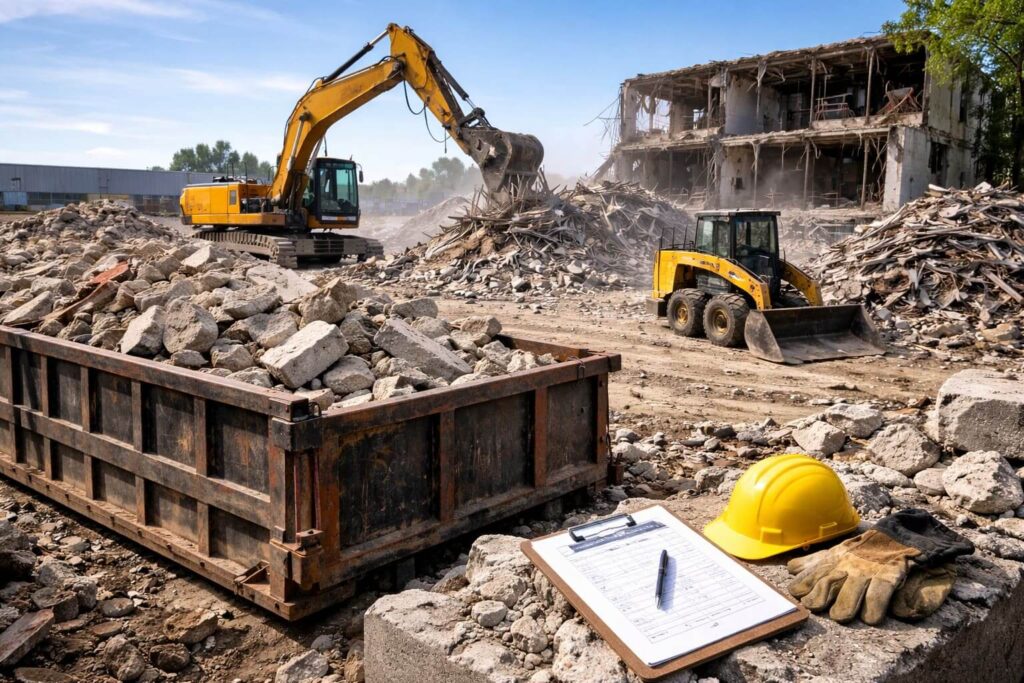
Renovations and construction projects bring big changes. They also bring piles of rubble, wood scraps, metal, and other waste. Managing that waste safely and responsibly matters. If debris sits around your property, it can attract pests, block walkways, and create hazards. A good construction debris removal plan helps keep your site clean, safe, and compliant with city rules. In Winnipeg, homeowners need clear options for hauling away construction debris, lawn debris removal, and landscape debris removal. This guide explains what you should know and how to choose reliable debris removal companies, including how Mr. Garbage can help every step of the way.
Construction, renovation, and demolition materials make up a meaningful share of total waste produced in Canada. These materials can often be sorted, recycled, or reused instead of landing in a landfill. National waste statistics show that some types of waste diversion have increased, but construction and demolition waste remains a major stream.
What counts as construction debris?
Construction debris includes many types of leftover waste from building, renovation, and demolition work. Some common forms you will see in Winnipeg include:
Building debris removal
- Broken concrete and bricks
- Old lumber and wood scraps
- Drywall and plaster
- Metal pieces and piping
- Roofing materials like shingles
- These materials can be heavy and awkward to move. Professional debris removal companies specialize in handling them without delays or safety issues.
Lawn and landscape debris removal
- Sod and soil were removed during landscaping.
- Tree branches and brush
- Grass clippings from large projects
- Shrubs or plant waste from redesigns
- Winnipeg’s curbside yard waste program handles small quantities of organic yard waste during the season, but larger volumes from major landscaping often need a separate removal service.
Mixed waste during renovation
Renovations often combine construction waste with household junk, packaging, and old fixtures. Sorting on-site before debris removal reduces confusion and prevents contamination.
Why professional construction debris removal matters
Trying to handle debris removal on your own isn’t just backbreaking. It can also lead to mistakes.
Safety and risk reduction
Loose debris includes nails, sharp metal, broken glass, and heavy chunks of material. These can easily injure people working on-site or family members at home. Professional debris removal crews know how to handle these materials safely.
Compliance with local guidelines
Winnipeg’s property maintenance and building codes require work sites to be kept safe. When debris is left in walkways or near public property, the city can issue orders to clean up. Hiring a debris removal service ensures you meet safety and cleanup expectations.
Faster cleanup and convenience
By the time a project wraps up, you want the site clean and ready for use. Professionals bring the right trucks, tools, and crews. They take the work off your plate so you can focus on finishing touches instead of hauling debris.
What to expect from debris removal companies
Not all debris removal services are the same. When choosing a debris removal service in Winnipeg, look for these key elements.
Range of materials handled
Good debris removal companies handle both building debris removal and softer materials like yard or landscape scraps. Some will also remove fixtures, cabinets, doors, and windows that are no longer needed.
Sorting and recycling practices
Construction and demolition waste can be sorted by material type. Wood, metal, and concrete can often be recycled or repurposed instead of going straight to a landfill. Work with a service that prioritizes recycling and waste diversion.
Disposal route and responsibility
Ask where your debris will go. Responsible haulers direct waste to licensed facilities or recycling processors in or near Winnipeg. This matters for compliance and environmental impact.
How construction debris removal works.
Understanding the typical steps gives you a clearer picture of what to expect.
Initial assessment
A debris removal crew will review your project site. They’ll note what types of debris you have and estimate how much will need hauling.
Scheduling pickup or delivery
You agree on a time window. Some companies will bring bins or trucks. Other crews will load directly into their vehicles for hauling.
On-site removal and sorting
Professionals sort recyclable materials from general waste, where possible. Sorting at the removal stage helps reduce landfill use and keeps materials on track for recycling streams.
Final disposal and recycling
Materials go to licensed facilities. Clean wood and metal often go to recycling yards. Concrete may be crushed for reuse. Landscapers or composters may take organic yard waste when allowed. Fully licensed handling keeps your project compliant with local standards.
Choosing the right debris removal company in Winnipeg
When you search for debris removal companies in your area, use these guidelines to choose well.
Local knowledge counts
Winnipeg has specific rules, especially for larger households and construction projects. A local company understands permit needs, pickup routes, and where certain materials can be disposed of or recycled in the region.
Eco-friendly practices
Make sure the company recycles or repurposes materials when possible. A service that simply dumps everything at a landfill misses chances to divert waste and help local circular economy goals. Canada tracks waste diversion and pushes to increase recycling, including construction waste streams.
Clear communication
Your debris removal partner should explain what they handle, how they sort materials, and where debris will go. Knowing these details upfront avoids surprises.
Reputation and reviews
Look for local reviews and feedback from homeowners. Reliable companies build trust through consistent service and open communication.
Mr. Garbage, for example, serves Winnipeg and surrounding areas with debris removal tailored to homeowners and renovation projects. They work with local processors to recycle materials when possible and handle a wide range of debris types, from heavy lumber to landscape scraps.
Best practices for your own debris management
Even with professionals on the job, you can do things that make the process smoother.
Pre-sort materials
Before the crew arrives, separate recyclable wood, metal, and concrete from mixed junk. This speeds up removal and can reduce handling time.
Remove hazardous items
Items like asbestos, lead paint, or chemical containers need special handling. Professionals can advise on these, but you should keep them separate to avoid safety issues.
Plan placement
Decide where debris will be staged on your property. Keeping piles organized helps removal crews work faster.
Think about yard and landscape debris.
If your project includes yard work or landscaping, bagging or grouping organic scraps helps crews decide if they go to compost facilities or general disposal. Winnipeg’s yard waste program accepts smaller organic waste, but larger volumes from construction might need professional hauling.
Common debris removal scenarios for Winnipeg homeowners
Post-renovation cleanups
Removing old drywall, flooring, cabinetry, and fixtures after a renovation often leaves mixed debris. Professional removal streamlines this process.
Deck and patio teardown
Outdoor projects create wood scraps, nails, and concrete footings. Removing these safely keeps your yard tidy and ready for new landscaping.
Roof replacement or siding projects
Roof shingles, sheet metal, and trim often need organized debris removal. Specialized crews can handle these heavier materials.
Large yard or landscape redesign
Removing sod, trimming trees, and pulling old shrubs create volume. A debris removal service can take landscape debris along with other materials without separate trips.
In all these cases, working with a professional debris removal team keeps project momentum steady and avoids unnecessary delays.
Real Winnipeg example of handling mixed debris
A homeowner in St. Vital recently finished a major kitchen addition. The project left behind wood framing scraps, metal braces, old cabinets, and packaging materials. They contacted Mr. Garbage for debris cleanup.
The crew broke down the debris into categories on site. Metals went to a nearby recycling processor. Clean wood was separated for potential reuse. Mixed non-recyclables were then hauled to an appropriate disposal facility. The result was a site cleared quickly, with much of the waste diverted from landfill.
This real scenario shows how separation and professional handling make a difference. It also helps homeowners meet local waste management expectations.
Conclusion
Construction debris removal is a crucial part of any renovation or build project in Winnipeg. Whether you need lawn debris removal, landscape debris removal, or full building debris removal, working with a dependable debris removal service makes the process easy and compliant with local standards. Professional crews keep debris off your property and help divert recyclable materials from landfill, supporting broader waste reduction goals in Canada.
When you’re ready for reliable construction debris removal in Winnipeg, Mr. Garbage offers friendly service, local expertise, and a focus on responsible disposal. Contact them to assess your project and schedule removal so your cleanup is stress-free and effective.
Frequently Asked Questions (FAQs)
Q1: What types of construction debris are typically removed by professionals?
A1: Debris removal crews handle wood, drywall, concrete, metal scraps, roofing materials, and mixed waste from renovation or demolition sites.
Q2: Do debris removal companies in Winnipeg recycle construction materials?
A2: Many reputable companies separate recyclable materials like clean wood and metals and route them to recycling partners before disposal.
Q3: Can landscape debris be included in construction debris removal?
A3: Yes, landscape debris such as sod, branches, and plant waste can be included, especially when coordinating with yard cleanup.
Q4: How do I prepare my site before debris removal services arrive?
A4: Separate obvious recyclables, clear hazardous materials, and designate a staging area to make removal easier.
Q5: Why is professional debris removal better than DIY hauling?
A5: Professionals handle heavy materials, understand local disposal rules, improve safety, and often recycle more material than DIY disposal.
Sources
- Mr. Garbage: Construction debris removal services in Winnipeg.
- Statistics Canada: Solid waste diversion and disposal trends in Canada.
- City of Winnipeg: Yard waste collection and procedures.