
You probably don’t think much about the trucks that pick up your garbage each week. They show up. They take your bins. They leave. But these rubbish bin trucks do more than just haul trash away. They play a big role in recycling and keeping waste out of landfills. In Winnipeg, we’re getting better at recycling. More materials get sorted. More waste gets diverted. And the trucks doing this work are smarter than ever. This guide explains how modern rubbish bin trucks help with recycling and waste diversion. You’ll see why these vehicles matter for the environment. And you’ll understand how they make your recycling efforts actually work.
What Are Rubbish Bin Trucks?
Rubbish bin trucks are specialized vehicles designed to collect waste from homes and businesses. Most people call them garbage trucks. But their official name is refuse collection vehicles.
These trucks come in different types:
- Rear loaders (workers lift bins manually)
- Front loaders (for large commercial dumpsters)
- Side loaders (automated arms grab bins)
- Automated carts (one person operates everything)
Each type serves a specific purpose. In Winnipeg, you’ll see mostly side loaders and rear loaders for residential pickup. Commercial areas use front loaders.
The technology inside these trucks has changed a lot. Old garbage trucks just crushed everything together. New ones can separate materials. They track routes. They measure weight. Some even sort recyclables on the go.
How Rubbish Bin Trucks Support Recycling
Modern rubbish bin truck systems make recycling work better. Here’s how.
Separate Collection Systems
The biggest change in waste management is separate collection. Instead of one truck taking everything, different trucks handle different materials.
In Winnipeg, you have:
- Black carts for regular garbage
- Blue carts for recyclables
- Green carts for organic waste (in some areas)
Each cart goes to a different place. Your blue cart contents head to a material recovery facility. The black cart goes to the landfill. Green carts go to composting facilities.
This separation starts with you. But the rubbish bin trucks make it possible. They’re designed to keep materials apart during collection.
Contamination Prevention
One big problem in recycling is contamination. That’s when non-recyclable stuff gets mixed with recyclables. Or when food waste ruins otherwise good materials.
Separate collection trucks prevent this. Your recyclables stay clean. They don’t mix with garbage. This makes them easier to process and more valuable.
According to the Recycling Council of Ontario data, contamination can reduce recycling value by up to 50%. Keeping streams separate protects that value.
Weight and Volume Tracking
Modern rubbish bin trucks have sensors. They measure how much waste each home produces. They track recycling rates by neighborhood.
This data helps cities improve their programs. If one area recycles less, the city can target education there. If recycling rates drop, officials know something’s wrong.
Winnipeg uses this information to plan collection routes and schedule pickups. It makes the whole system more efficient.
Types of Rubbish Bin Trucks Used in Winnipeg
Different trucks do different jobs. Understanding them helps you see how the system works.
Automated Side Loaders
These are the most common rubbish bin trucks in Winnipeg neighborhoods. They have a mechanical arm on the side. The driver controls it from inside the cab.
The arm grabs your cart. Lifts it. Dumps it into the truck. Sets it back down. One person does the whole job.
Benefits:
- Faster collection
- Safer for workers
- Consistent pickup times
- Less damage to bins
These trucks are perfect for recycling routes. They keep materials contained. Nothing spills. Nothing gets contaminated.
Rear Loaders
Rear loaders have an opening at the back. Workers lift bins manually or use a small lifting mechanism.
You’ll see these in older Winnipeg neighborhoods with narrow streets. Or in areas where automated arms can’t reach properly placed bins.
They’re slower than automated trucks. But they’re flexible. Workers can handle odd-sized items. They can sort out obvious contamination before loading.
Front Loaders
Front-loaders serve commercial areas. They lift large dumpsters from the front of the truck.
Apartment buildings use these. So do businesses. Shopping centers. Industrial areas.
For recycling, commercial front loaders often serve dedicated recycling dumpsters. Cardboard from stores. Packaging from warehouses. These materials go straight to recycling facilities.
Compartmentalized Trucks
Some newer rubbish bin trucks have multiple compartments. They can collect different materials on one route.
One section holds recyclables. Another holds garbage. Some even have three or four compartments.
These are less common in Winnipeg but are becoming more popular in other Canadian cities. They save time and fuel by reducing the number of trucks needed.
The Technology Inside Modern Rubbish Bin Trucks
Today’s rubbish bin truck is basically a computer on wheels. The technology helps with recycling and waste diversion in several ways.
Route Optimization Software
Trucks use GPS and route planning software. The system calculates the most efficient path. Less driving means less fuel. Lower emissions. Faster service.
For recycling, this matters because trucks can cover more ground. More homes get served. Collection happens more reliably.
RFID Tracking
Many cities put RFID tags on waste carts. The rubbish bin truck reads the tag when it empties your bin.
This confirms your pickup happened. It tracks participation in recycling programs. It can even identify homes that aren’t using recycling properly.
Winnipeg doesn’t use this system widely yet. But other Manitoba communities are testing it.
Onboard Scales
Scales built into trucks weigh each load. This data shows how much waste and recycling each neighborhood produces.
Cities use this information to:
- Plan future collection needs
- Identify areas needing more education
- Measure program success
- Adjust service levels
Camera Systems
Some trucks have cameras that check what goes in each bin. This helps identify contamination in recycling streams.
If someone puts garbage in their blue cart, the camera catches it. The system can flag that address for education or enforcement.
This technology improves recycling quality. Better quality means more materials actually get recycled instead of rejected at the facility.
Waste Diversion: Beyond Basic Recycling
Rubbish bin trucks don’t just handle bottles and cans. They’re part of a bigger waste diversion strategy.
Organic Waste Collection
Winnipeg is expanding its green cart program. These carts collect food scraps and yard waste.
Specialized rubbish bin trucks handle this material. They take it to composting facilities. The organic waste becomes compost instead of filling landfills.
This matters because organic waste in landfills produces methane. That’s a powerful greenhouse gas. Composting prevents those emissions.
According to Environment and Climate Change Canada, organic waste makes up about 30% of what Canadians throw away. Diverting it makes a real difference.
Bulky Item Pickup
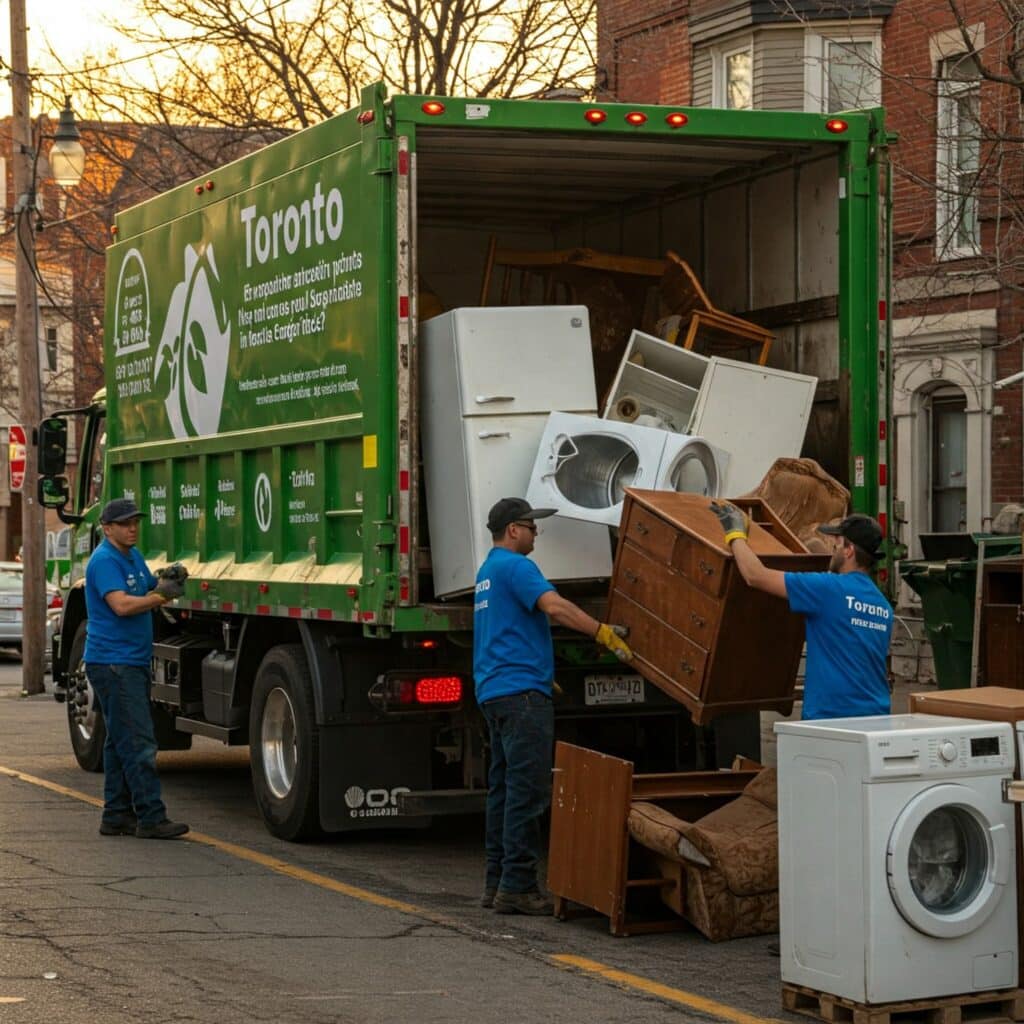
Special rubbish bin trucks handle large items. Old furniture. Appliances. Mattresses.
Many of these items contain recyclable materials. Metal from appliances. Wood from furniture. Mattresses have steel springs and foam that can be processed.
Instead of going straight to landfills, these items go to facilities that break them down. Valuable materials get recovered and reused.
Hazardous Waste Collection
Some communities use specialized trucks for household hazardous waste. Paint. Batteries. Electronics. Chemicals.
These materials need careful handling. Regular rubbish bin trucks can’t take them. Dedicated vehicles with proper containment systems collect them during special events.
Winnipeg’s 4R Depot handles most hazardous waste. But mobile collection events use special trucks to reach more residents.
How Winnipeg Homeowners Can Help
Rubbish bin trucks can only do so much. They need your help to make recycling work.
Use the Right Cart
Put recyclables in your blue cart. Garbage in your black cart. Organic waste in your green cart (if you have one).
Sounds simple. But mix-ups happen all the time. And when recyclables go in garbage trucks, they’re lost. They head straight to the landfill.
Keep Recyclables Clean
Rinse containers before recycling. Empty food from packaging. Let items dry.
Dirty recyclables contaminate whole loads. That rubbish bin truck might be carrying clean materials from 100 homes. One person’s dirty pizza box can ruin the batch.
Follow Size Guidelines
Items need to fit in your cart with the lid closed. If it doesn’t fit, don’t force it.
Oversized items jam the rubbish bin truck mechanisms. They damage equipment. They have a slow collection. And they often fall out during transport, creating litter.
Arrange bulk pickup for large items instead.
Set Carts Out Properly
Place your cart where the truck can reach it. Handle facing the street. At least three feet from obstacles.
When trucks can’t grab your cart easily, collection gets skipped. Or workers have to manually move it, which slows everyone down.
Know What’s Recyclable
Winnipeg’s recycling rules are specific. Check the city website for current guidelines.
Common mistakes:
- Plastic bags (they jam sorting equipment)
- Styrofoam (not accepted in blue carts)
- Food-contaminated cardboard (goes in garbage)
- Shredded paper (too small for sorting)
When unsure, check first. Bad guesses contaminate recycling.
The Environmental Impact of Modern Rubbish Bin Trucks
Better collection vehicles mean better environmental outcomes.
Reduced Emissions
New rubbish bin trucks are cleaner than old ones. Many uses:
- Compressed natural gas
- Hybrid electric systems
- Cleaner diesel with emission controls
Winnipeg’s waste collection fleet has been gradually upgrading. Newer trucks produce fewer emissions per pickup.
Route optimization helps, too. Less driving means less fuel burned. Less pollution is created.
Higher Diversion Rates
When collection systems work well, more material gets diverted from landfills.
Manitoba’s overall waste diversion rate has been climbing. Better trucks and systems are part of why.
More materials recovered means:
- Less landfill space is needed
- Fewer raw materials extracted
- Lower manufacturing emissions
- Reduced environmental impact overall
Extended Equipment Life
Modern rubbish bin trucks last longer. Better engineering. Better maintenance systems. Better materials.
Longer-lasting trucks mean less frequent replacement. That reduces the environmental cost of manufacturing new vehicles.
Challenges Facing Rubbish Bin Truck Operations
Even with modern technology, challenges exist.
Winter Weather
Winnipeg winters are brutal. Snow and ice make collection harder.
Frozen bins stick together. Snow blocks access. Ice makes carts hard to handle. Equipment freezes up.
Rubbish bin trucks need special winterization. Heated hydraulics. Extra power. Better traction.
Despite this, the collection still slows down in winter. And recycling contamination often increases because people struggle to rinse containers in cold weather.
Contamination Issues
Even with separate collection, contamination remains a problem.
People make mistakes. They wishcycle (guessing what’s recyclable). They ignore guidelines. They don’t clean containers.
Contaminated loads might get rejected at processing facilities. Then everything goes to the landfill anyway. The rubbish bin truck made the trip for nothing.
Cost Pressures
Modern rubbish bin trucks are expensive. Technology costs money. Maintenance costs money. Fuel costs money.
Cities need to balance good service with affordable rates. Sometimes that means older equipment stays in service longer. Or collection schedules get adjusted.
The Future of Rubbish Bin Trucks and Recycling
Collection vehicles keep getting smarter. Here’s what’s coming.
Electric Trucks
Several manufacturers now make electric rubbish bin trucks. They’re quiet. Zero direct emissions. Lower operating costs.
Some Canadian cities are testing them. Vancouver has a few. Toronto is adding more.
Winnipeg hasn’t announced plans yet. But electric trucks will probably come here eventually.
Cold weather affects battery performance. That’s a concern for Manitoba. But battery technology is improving fast.
AI-Powered Sorting
Some companies are developing trucks with AI cameras. The system identifies contamination in real-time. It can reject loads with too many problems.
This technology helps maintain recycling quality. Bad actors get caught immediately. Good recyclers don’t have their materials ruined by neighbors’ mistakes.
Fully Autonomous Collection
Self-driving technology is coming to waste collection. Several companies are testing autonomous rubbish bin trucks.
They follow programmed routes. Mechanical arms still do the lifting. But no driver is needed.
This is probably years away from Winnipeg. But the technology exists. It’s being refined. Eventually, it’ll become normal.
How Mr. Garbage Supports Waste Diversion in Winnipeg
Professional waste management companies like Mr. Garbage play a crucial role in recycling success.
They work with homeowners to ensure proper waste separation. Their collection systems are designed to keep recyclables clean and contamination-free. And they understand Winnipeg’s specific challenges, from winter weather to material processing requirements.
Mr. Garbage operates modern collection vehicles equipped to handle various waste streams. Whether you need regular garbage pickup, recycling collection, or bulk item removal, their fleet is designed for efficient, environmentally responsible service.
They also help educate customers about proper waste sorting. A good collection starts with good separation at home. Professional services provide the support homeowners need to recycle effectively.
Making the System Work
Rubbish bin trucks are just one part of waste diversion. But they’re an essential part.
Without reliable collection, recycling programs fail. People lose confidence. They stop trying. Materials end up in the garbage.
Good collection systems build trust. When your blue cart gets emptied reliably, you keep using it. When you see trucks keeping materials separate, you believe recycling matters.
That trust creates a cycle of improvement. More people recycle. Better materials get collected. Processing facilities run more efficiently. More gets diverted from landfills.
The trucks themselves enable this cycle. They’re the physical link between your efforts at home and the processing facilities that turn recyclables into new products.
Conclusion
Rubbish bin trucks have come a long way from the old dump trucks that crushed everything together. Modern collection vehicles are sophisticated systems designed to support recycling and waste diversion. They use technology to optimize routes, track materials, and prevent contamination. They’re built to handle different waste streams separately. And they’re getting cleaner and more efficient every year.
In Winnipeg, these trucks make our recycling programs possible. They turn your sorting efforts into real environmental benefits. They keep our city cleaner and reduce what goes to landfills. But they can only work if we use them correctly. Sort your waste properly. Keep recyclables clean. Follow collection guidelines. Your efforts, combined with modern rubbish bin truck systems, create real change.
Ready to improve your waste management? Mr. Garbage provides reliable collection services throughout Winnipeg. Their modern fleet and experienced team ensure your recyclables get where they need to go. Contact us today to discuss your waste management and recycling needs.
Frequently Asked Questions (FAQs)
Q1: Why do rubbish bin trucks collect garbage and recycling on different days?
Separate collection days prevent contamination. Garbage trucks are designed to compact and crush waste. Recycling trucks need to keep materials clean and intact for processing. Using different trucks on different days ensures recyclables don’t get contaminated by garbage. It also allows specialized equipment for each material type, making the whole system more efficient.
Q2: What happens if I put the wrong items in my recycling cart?
Contamination causes problems at recycling facilities. Small amounts might get sorted out, but major contamination can cause entire loads to be rejected and sent to landfills instead. Some rubbish bin trucks now have cameras that identify contamination. Repeated violations might result in warnings or loss of recycling service. Always check Winnipeg’s guidelines before putting items in your blue cart.
Q3: Can rubbish bin trucks really tell how much I’m recycling?
Yes, modern trucks have onboard scales that weigh each cart as it’s emptied. This data helps cities track recycling participation and identify areas needing improvement. Some systems also use RFID tags on carts to link weights to specific addresses. This information guides education programs and helps measure recycling program success across different neighborhoods.
Q4: Why won’t the rubbish bin truck take my cart if it’s too full?
Overfilled carts cause several problems. The truck’s automated arm can’t grab them properly. Lids that don’t close allow items to fall out during lifting and transport. Excessive weight can damage equipment or exceed safety limits. If you regularly have too much waste, contact your service provider about getting a larger cart or additional pickup service.
Q5: Are newer rubbish bin trucks better for the environment than older ones?
Yes, significantly better. Modern trucks use cleaner fuels like compressed natural gas or have hybrid electric systems. They have route optimization that reduces unnecessary driving and fuel consumption. Better compaction means fewer trips to disposal sites. And advanced containment systems prevent spills and leaks during transport. Cities upgrading their collection fleets see measurable reductions in emissions per ton of waste collected.
Sources:
- Environment and Climate Change Canada: Waste Management: https://www.canada.ca/en/environment-climate-change.html
- City of Winnipeg: Garbage and Recycling Programs: https://www.winnipeg.ca/waterandwaste/
- Recycling Council of Ontario: Contamination Studies: https://rco.on.ca/