
Renovations create progress and a lot of junk. If you’re renovating a kitchen, tearing down a deck, or removing drywall, you need a clear plan for junk removal in Winnipeg. This guide shows homeowners how to handle construction debris safely and legally. You’ll learn what haulers expect, what the City requires, where materials go, and how to reduce landfill waste. We include local references (Brady Road and 4R Depots), Canadian waste stats, and practical tips for smooth cleanup.
Let’s make your renovation cleaner, safer, and more efficient.
What “junk removal Winnipeg” covers for renovations
When people say junk removal Winnipeg during a renovation, they usually mean the removal of:
- Old cabinets, sinks, and vanities
- Drywall and plaster
- Flooring and underlayment
- Roofing materials (shingles)
- Wood, framing, and scrap lumber
- Insulation and trim
- Fixtures, doors, and windows
- Mixed household junk from demolition
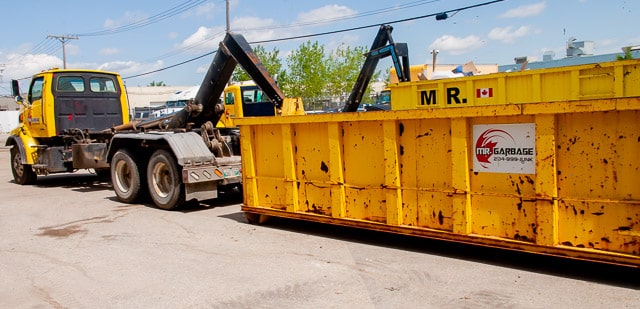
Construction debris often contains heavy and bulky items that don’t fit in curbside carts. For large volumes, homeowners use temporary bins or hire a crew to haul debris directly to processing facilities. Local firms like Mr. Garbage offer both bin rentals and crewed junk removal to match project size and access limitations.
Why proper junk removal matters
Proper junk removal matters for three reasons:
- Safety. Construction debris often has nails, loose screws, and sharp edges. Clearing debris reduces trip hazards and protects workers.
- Compliance. Winnipeg and Manitoba have rules for demolition waste, hazardous materials, and street placement of bins. Following the rules avoids fines and rejected loads.
- Environmental responsibility. Sorting materials for recycling and donation reduces landfill. Canada diverted nearly 10 million tonnes of waste in 2022; good sorting helps Winnipeg contribute to that total.
Local disposal channels: where your renovation junk may go
Knowing where debris ends up helps you plan. In Winnipeg, common endpoints are:
- 4R Winnipeg Depots and Brady Road Resource Management Facility. Residents and private haulers use the city depots for drop-off and recycling; commercial customers use Brady Road for landfill and certain processing.
- Authorized recycling partners. Many materials (metal, clean wood, drywall in some programs) can be routed to recyclers or processors.
- Hazardous waste handlers. Paints, solvents, asbestos, and certain chemicals need special handling under provincial rules. Manitoba’s guidance covers demolition debris that may contain hazardous materials.
If in doubt, talk to your hauler. A local company will advise where each material should go and whether special handling is needed.
Common renovation items: how they must be handled
Wood and lumber
Clean, untreated wood is often reusable or recyclable. If the wood is painted, treated, or has nails, it may need different handling. Sorting and breaking down large pieces saves space.
Drywall and plaster
Drywall can be bulky and dusty. When separated, some facilities accept gypsum for recycling; mixed loads may go to a landfill. Wet or mouldy drywall must be handled carefully.
Flooring (tile, hardwood, vinyl)
Hard flooring materials are heavy. Break tile into manageable pieces and keep nails out of the bin. Some flooring materials can be salvaged or recycled.
Roofing shingles
Asphalt shingles have special disposal streams in some jurisdictions. Confirm with your hauler whether shingles can be mixed with other debris or need a separate handling method.
Metals, appliances, and fixtures
Scrap metal and appliances are often recyclable; appliances containing refrigerants need certified removal before disposal.
Hazardous materials (paints, solvents, asbestos)
Do not put hazardous items in a regular junk removal bin. Manitoba and Winnipeg have explicit rules; asbestos must be handled by licensed abatement contractors and disposed of at approved facilities.
Choose the right removal method for your renovation
DIY haul to depot
If you have a truck and small volumes, you can haul debris to a 4R Depot. This suits minor projects but is time-consuming for larger renovations. The City of Winnipeg directs residents to 4R Depots for many drop-offs.
Bin rental (roll-off or walk-in)
Bins are convenient for multi-day projects. Choose a placement on private property when possible; on-street placement often needs a permit from the City. Bin rentals let you work at your pace and then have the hauler pick up and transport the load. Mr. Garbage
Crewed junk removal (full service)
A crewed service handles sorting, loading, and hauling. This is ideal when you want a fast, low-effort solution, or you have bulky items that require muscle or equipment. Mr. Garbage offers both crewed services and bin rentals depending on the job.
Permits and bylaws you should know in Winnipeg
If your bin or dumpster must sit on a public street, permit rules apply. The City of Winnipeg’s by-laws outline where bins can be placed and the responsibilities of property owners and drivers. Always confirm permit needs with your hauler before the bin arrives. Many local companies deal with permit applications to simplify the process.
Also note that demolition permits are required for structures over a certain size, and the owner must ensure safe cleanup and proper disposal of debris. The Building By-law and demolition rules help protect neighbours and public safety.
The single most effective waste strategy
Sorting reduces tipping rejections and increases recycling. A simple on-site sorting plan:
- Keep a metal pile separate
- Stack clean wood and lumber together
- Set aside appliances and fixtures for recycling or donation
- Bag small drywall pieces or sweep them into a designated container
- Put hazardous materials aside for specialized disposal
Haulers can often take sorted materials to different endpoints. Mr. Garbage, for example, will route recyclables and salvageable items to the right partners when possible.
Tips for safe loading and staging during renovations
- Wear gloves, eye protection, and sturdy boots while handling debris.
- Break down bulky items before loading.
- Remove or hammer over protruding nails.
- Keep heavy items low in the bin to avoid tipping.
- Don’t overfill bins; items above the rim can be rejected at facilities.
- Keep a clear path for the crew and ensure the bin is accessible for truck pickup.
Following these rules protects workers and reduces the chance of rejected loads.
Recycling and donation: what builders and homeowners often miss
Many renovation items are reusable:
- Cabinets and vanities in good condition can be donated.
- Doors, windows, and fixtures may find a second life via local charities or reclamation centres.
- Scrap metal and clean wood are often recycled.
Canada diverted almost 10 million tonnes of waste in 2022. Thoughtful sorting and donation during renovations help Winnipeg contribute to national diversion goals. Ask your hauler about donation coordination; many local companies will drop usable items at charities on your behalf.
Handling problematic materials: asbestos, lead, and chemicals
Asbestos and lead are serious health hazards. If you suspect materials contain asbestos (older insulation, some floor tiles, old cement board), stop work and contact a licensed abatement contractor. Manitoba’s guidance on managing demolition debris containing hazardous materials provides clear steps and legal requirements for handling and disposal. Improper handling can lead to contamination and regulatory penalties.
For paints, solvents, and pesticides, use the city or provincial hazardous waste programs and never mix them with general demolition debris.
Real project examples: how junk removal plays out
Kitchen renovation: single-day demo, multiple pickups
A homeowner removed cabinets and tile. The hauler recommended a medium roll-off for heavy tile and a separate bin for metal and appliances. The contractor placed items by the door for easy loading. Reusable cabinetry was set aside for donation.
Deck replacement: bulky wood and nails
A deck demo created large volumes of wood with nails. The hauler suggested a walk-in bin and used a magnet to sweep nails into a separate pile before bin loading. Clean lumber was noted for potential reuse.
Full home gut: staged bin strategy
For a full renovation, the contractor scheduled staged pickups: first for drywall and wood, then for fixtures and appliances. The hauler coordinated trips to recycling centers and the Brady Road commercial facility as needed. These staged moves avoided overfilling and separated materials for better diversion.
These examples reflect common Winnipeg projects and show why local knowledge matters.
What to look for in “junk removal Winnipeg” services
When hiring, evaluate:
- Local experience. Do they know Winnipeg depots and permit rules?
- Recycling and donation practices. Will they actively divert materials?
- Insurance and safety practices. Are crews trained?
- Service types offered. Do they offer bin rentals and full-service hauling?
- Clear communication. Can they confirm what is allowed and plan for special items?
Mr. Garbage is an example of a local provider that offers both bin rental and crewed junk removal, and that works with homeowners to route materials responsibly.
Final checklist before your renovation junk removal
- Identify hazardous materials and plan special disposal.
- Take photos and list major items for the hauler.
- Decide bin placement; plan for permits if the bin goes on the street.
- Create sorting zones on site for metal, wood, drywall, and donations.
- Confirm pickup timing and what happens if you need an extra pickup or swap.
A short call with your hauler before demo starts saves time and prevents surprises.
Conclusion
Renovations are messy but manageable. Proper junk removal Winnipeg means planning where debris will go, sorting materials on-site, following local rules, and choosing a hauler who understands Winnipeg’s depots and landfill flows. Whether you rent a roll-off or hire a crew, local expertise makes the difference. Mr. Garbage can help plan deliveries, secure permits if needed, and route recyclable or reusable items to the right partners. When you plan junk removal with care, your renovation finishes cleaner, safer, and greener.
Frequently Asked Questions (FAQs)
Q1: What items will junk removal services in Winnipeg usually take during renovations?
A1: Most haulers accept furniture, drywall, wood, fixtures, and non-hazardous construction debris. Appliances and metal are often accepted but may be routed separately for recycling. Hazardous items require special handling.
Q2: Do I need a permit to place a dumpster on the street during my renovation?
A2: If the bin occupies a public right-of-way, a permit is typically required. Driveway placements on private property usually do not require a permit. Confirm with your hauler and the City of Winnipeg.
Q3: How should I handle suspected asbestos or lead during demo?
A3: Stop work and contact a licensed abatement contractor. These materials need specialized removal and disposal under provincial rules. Do not place them in regular demolition bins.
Q4: Can demolition materials be recycled in Winnipeg?
A4: Yes, many materials like metals, some wood, and reusable fixtures can be recycled or donated. The City’s 4R Depots accept many types of drop-offs, and local haulers often coordinate diversion.
Q5: How do I choose between a bin rental and a crewed junk removal for my renovation?
A5: Choose a bin rental for long projects where you need space over days. Choose crewed junk removal when you need fast removal, limited access, or items that require lifting help. Your hauler can advise based on project photos and scope.
Sources & local links
- City of Winnipeg: Brady Road Resource Management Facility and 4R Depots. City of Winnipeg
- City of Winnipeg: Cart collection and rules; building and demolition by-laws. City of Winnipeg
- Statistics Canada: Biennial Waste Management Survey: Waste Diversion, 2022. Statistics Canada
- Manitoba Environment: Managing Demolition Debris Containing Hazardous Materials. Government of Manitoba
- Mr. Garbage: local service guides and dumpster rental information. Mr. Garbage