
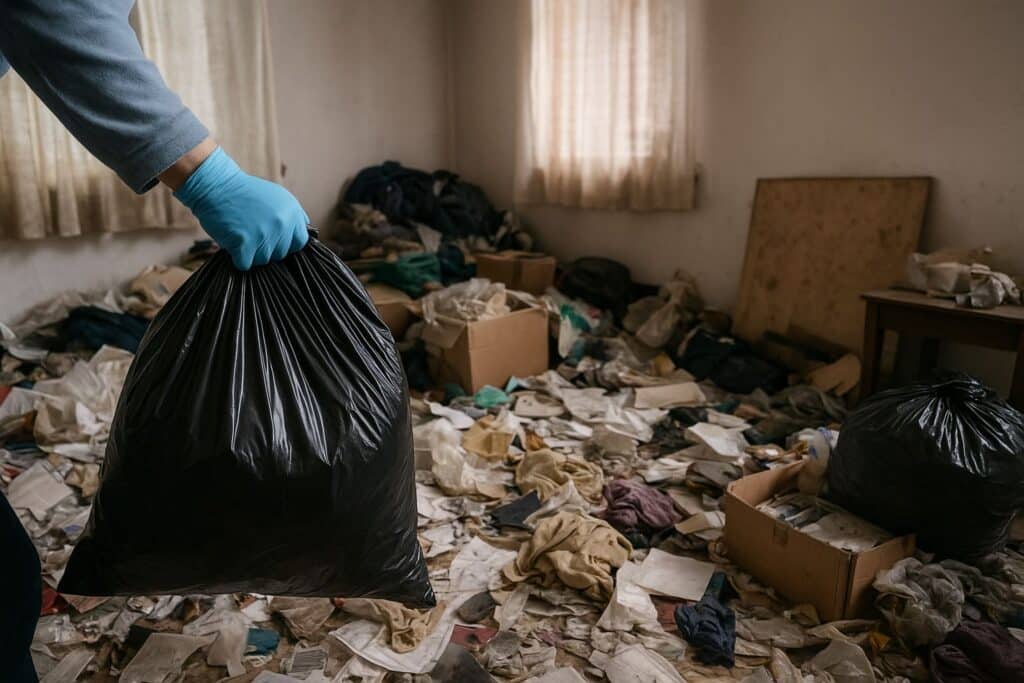
Asbestos used to be a common building material. It was prized for fire resistance and strength. But decades of research show it can cause severe lung disease when fibres become airborne. This is why asbestos disposal Winnipeg and asbestos abatement removal must be handled the right way.
Some homeowners consider asbestos removal near me and think they can do it themselves. That’s a bad idea. Handling asbestos the wrong way puts you, your family, and your community at risk. There are strong rules in Manitoba about asbestos removal and disposal. You must follow them. This article explains why DIY removal isn’t safe, what proper procedures look like, and how licensed asbestos removal companies and contractors can help you.
What asbestos is and where it’s found
Asbestos refers to a group of fibrous minerals used for insulation, fireproofing, tiles, pipe wrap, ceiling texture, and more. Many buildings in Winnipeg put up before the 1980s contain asbestos-containing materials (ACMs). Some homes and commercial buildings still hide these materials behind walls or under flooring. Exposure happens when these fibres become airborne and are inhaled.
Even though asbestos use has been banned under Canadian federal rules, old buildings still contain it. The federal Asbestos Prohibition Regulations make it illegal to import or use products made with asbestos in most cases.
When you suspect ACM in a property, the best first step is testing by a trained professional. They can take samples and send them for lab analysis. Treat all suspicious materials as asbestos until proven otherwise.
Why DIY asbestos disposal in Winnipeg is unsafe
Trying to remove or dispose of asbestos yourself is dangerous for several reasons.
Asbestos fibres are a serious health risk
When ACM is disturbed, fibres can slip into the air. Once airborne, they are easily inhaled. Inhaling asbestos fibres is linked to serious conditions like asbestosis, lung cancer, and mesothelioma decades after exposure. Wikipedia
These fibres are invisible to the naked eye and stick to clothing, tools, and surfaces. A small job can put your household at risk. Licensed professionals use tools, wet methods, and containment to minimize fibre release.
You need proper training and equipment
Handling asbestos involves more than wearing a mask. Professionals use specialized respirators, protective suits, and HEPA filtration systems to contain fibres. Buildings need to be sealed off before work starts. Without this training and equipment, a DIY attempt often exacerbates the problem.
Training and certification for asbestos abatement workers is regulated in Manitoba. Manitoba’s Workplace Safety and Health Regulation sets out requirements for asbestos handling, and workers must be trained to manage and remove ACM safely. Workers Compensation Board of Manitoba
You can accidentally contaminate your home
A small DIY removal job can contaminate carpets, air ducts, and surfaces. Once asbestos fibres settle, professional cleaning is the only way to remove them properly. That adds to your cost and risk. A licensed contractor isolates work areas so that fibres do not spread beyond the controlled zone. Wikipedia
Legal and regulatory reasons to avoid DIY asbestos work
In Manitoba, there are clear rules about asbestos before renovation, demolition, or disposal work begins.
Notification and control plans are required
If you plan work that might release asbestos fibres, you must notify Workplace Safety and Health at least five days before work begins. This lets regulators confirm that plans are in place to prevent exposure.
For demolition or major renovations, a demolition-level asbestos inventory is often required before permits are issued. This inventory identifies where asbestos is located and how it should be handled.
Only trained professionals should conduct removal
Work involving asbestos must be done by competent people trained in safe procedures. Manitoba is updating its regulations to require mandatory certification for asbestos workers to protect health and safety. winnipegfreepress.com
These legal requirements exist not just to protect workers, but to protect residents and children who might be exposed during unsafe DIY work.
What proper abatement asbestos removal looks like
Assessment and testing
Before any removal begins, a professional will assess the property and test materials for asbestos content. Only certified labs can confirm the presence and concentration.
Control measures
Professionals create a control plan that prevents fibres from escaping the work area. They use plastic sheeting, negative air pressure machines, and wet methods to keep dust down.
Removal and sealing
Certified asbestos removal contractors isolate the area and carefully remove materials. They place them into controlled packaging or waste containers that are sealed and labeled for hazardous waste.
Disposal and cleanup
Not all landfills will accept asbestos waste. In Manitoba, specific guidelines govern how asbestos and ACMs are disposed of. Materials must go to licensed hazardous waste facilities and be handled in a way that minimizes risk to human health and the environment.
How to find reputable asbestos removal companies in Winnipeg
When you search for asbestos removal near me, look for companies with certifications and positive local reviews. Winnipeg has several established contractors who focus on safe abatement.
A search of local listings shows multiple accredited businesses that offer removal and environmental services, including asbestos abatement. These include well-rated firms with experience in residential and commercial projects.
Examples of types of providers include environmental cleanup firms and contractors that specialize in hazardous material handling and building remediation. These professionals handle both small residential jobs and large commercial projects.
The role of professionals in asbestos disposal Winnipeg
Hiring trained asbestos removal contractors means your project stays safe and compliant with rules. Contractors know how to:
- Protect occupants and workers during removal
- Follow notification and permitting requirements
- Contain and remove all asbestos-containing materials
- Transport and dispose of hazardous materials according to provincial guidelines
A professional team has proper insurance, training, and equipment. That gives you peace of mind when you are dealing with a dangerous material.
Real risks of DIY asbestos mistakes
There have been many cases where well-meaning homeowners uncovered materials during a renovation and exposed themselves unknowingly. Because symptoms of asbestos-related illness can take years to appear, many do not connect early exposure to later health effects. Wikipedia
Even a small disturbance in a house built before the ban, which came into effect by 2018 and made asbestos import andH2: L use illegal, can put fibres into the air. That’s why detection, removal, and debris handling must be done by professionals.
Protecting your family and workers
If you are renovating or demolishing part of your home or business and you suspect asbestos, stop work immediately and arrange for testing. If asbestos is found, contact a licensed removal contractor.
Only use protective equipment that professionals specify. Home-grade masks and DIY kits are not enough. Professionals use HEPA filtration and specialized wet removal methods designed to keep fibres from rising into the air. Wikipedia
How Mr. Garbage Helps With Asbestos and Hazardous Waste
Even though Mr. Garbage does not perform abatement asbestos removal itself, the company can help you handle waste and hazardous materials after safe removal by a licensed contractor. Mr. Garbage works with trusted partners and depots to take asbestos-contaminated waste that has been sealed and packaged by professionals. This ensures asbestos disposal Winnipeg is done correctly and does not pose a risk.
Mr. Garbage offers pickup and transport services for hazardous waste that meet regulatory requirements and labeling. This can save you time after professional asbestos abatement teams finish their work.
Conclusion
DIY asbestos disposal in Winnipeg is too risky and often unlawful. Asbestos fibres can cause serious health problems. Manitoba rules require professionals to handle assessment, removal, containment, and cleanup. Licensed asbestos removal companies and contractors know how to protect you, comply with rules, and dispose of hazardous materials safely.
If you suspect asbestos in your home or business, halt work and call a certified professional. Once removal is done, Mr. Garbage can assist with proper pickup and disposal of the sealed waste. Contact Mr. Garbage to coordinate safe and compliant waste removal following abatement.
Frequently Asked Questions (FAQs)
Q1: What is asbestos disposal in Winnipeg?
A: It refers to the safe removal and disposal of asbestos-containing materials in Winnipeg under provincial and federal rules. It must be done by trained professionals to protect health and the environment.
Q2: Can I perform DIY asbestos removal?
A: No. Disturbing asbestos materials can release dangerous fibres and expose you and others to health risks. Manitoba regulations require trained workers and notification before handling ACM.
Q3: How do I find licensed asbestos removal contractors?
A: Look for companies with positive local reviews and proper certifications. Directory listings like the BBB show accredited asbestos removal near me providers in Winnipeg.
Q4: What happens after professional asbestos abatement?
A: Once professionals remove and package asbestos waste, certified transport and disposal services like Mr. Garbage can help with collection and delivery to proper facilities.
Q5: Is asbestos still regulated in Canada?
A: Yes. Asbestos products are banned under federal regulations, but legacy materials remain in older buildings and must be managed and disposed of under strict rules.
Sources and links
- Manitoba asbestos rules and abatement requirements. gov.mb.ca
- Manitoba landfill and asbestos disposal guidelines. gov.mb.ca
- Local asbestos removal companies directory. Better Business Bureau
- Federal asbestos ban in Canada. Canada