
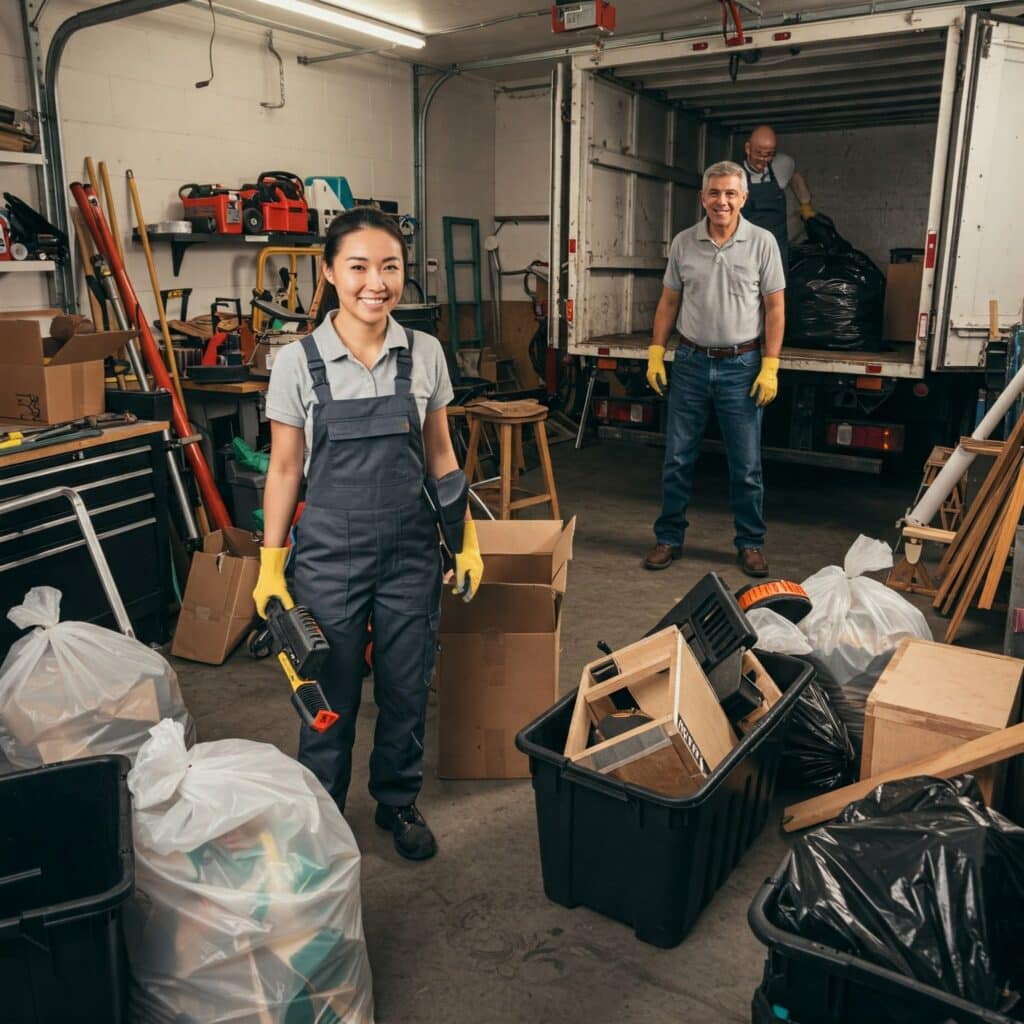
If you live in Winnipeg and want to find a safe, compliant way to dispose of hazardous materials from your home, this guide is for you. You’ll learn how to identify hazardous items, where to find “household hazardous waste disposal near me,” what your local drop-off options are, and how to handle the process responsibly. We’ll also show how Mr. Garbage makes it easier to deal with these tricky items.
What Counts as Household Hazardous Waste?
Household hazardous waste, sometimes abbreviated HHW, refers to everyday products found in many homes that are toxic, corrosive, flammable, or reactive if disposed of like regular garbage. This includes things like old paints, solvents, motor oil, pesticides, herbicides, batteries, certain cleaning chemicals, fluorescent tubes, and more.
When these items are thrown into regular trash or flushed down drains, they can pose serious risks: contaminating soil and groundwater, harming sanitation workers, damaging municipal waste-management infrastructure, and contributing to toxic pollution. That’s why proper disposal is important.
Why Safe Disposal Matters in Winnipeg
As a homeowner in Winnipeg, you benefit from local infrastructure geared toward safe HHW handling. The city’s municipal depots and licensed stewardship programs help ensure hazardous waste is processed rather than simply dumped.
Using correct channels avoids fines, environmental hazards, and makes your home and community safer. It also aligns with provincial and municipal regulations governing hazardous waste. manitoba.ca
Where to Find Household Hazardous Waste Drop-Off in Winnipeg
Municipal Depots and HHW Drop-Off Sites
For many hazardous household items, a go-to resource is the network of municipal and regional depots. In Winnipeg, this includes the 4R Winnipeg Depots, including the central facility at Brady Road, which accepts a range of HHW items when properly prepared.
These sites often accept:
- Paints, solvents, and stains (in original containers)
- Pesticides, herbicides, and garden chemicals
- Automotive fluids (motor oil, antifreeze, though some items may follow separate programs)
- Batteries, fluorescent tubes or mercury-containing lighting, and certain small electronics or hazardous-waste items,
Before you go: check depot hours, accepted materials, and whether you meet any requirements (e.g., quantities, container condition, original labels).
Stewardship Programs & Licensed Collection Points
Many hazardous products fall under provincial stewardship or producer-responsibility programs. For example, certain paint, lighting, and chemical products must be handled via approved recycling or disposal networks rather than regular waste. Mr. Garbage
Stewardship programs work by offering collection points at depots, retailers, or drop-off events. Using these helps ensure materials are recycled, neutralized, or disposed of in ways that meet provincial standards.
When to Use a Licensed Hazardous Waste Hauler
If you’re dealing with larger volumes, leaking containers, mixed chemicals, or heavier waste, or if you have uncertainty about the hazard level, a licensed hazardous waste hauler is the safest option.
Licensed haulers follow strict regulations under provincial hazardous-waste legislation. Their services include safe transport, documentation (“movement documents”), and proper disposal or neutralization. manitoba.ca
Mr. Garbage works with such licensed partners and can help coordinate pickup when your situation calls for professional handling.
Step-by-Step: How to Dispose of HHW Safely from Home
Step 1: Identify Hazardous Items
Start by checking your home for items such as paint cans, old solvents, pesticides, cleaning chemicals, motor-fluid containers, aerosol cans, batteries, and fluorescent bulbs or tubes — all of which are possible HHW. If in doubt, treat it as hazardous rather than risk improper disposal.
Step 2: Store Properly Until Drop-Off
- Keep items in their original containers, with labels intact. Most drop-off points require original labels to accept materials. Product Care Recycling
- Ensure containers are sealed, not leaking or damaged. Never mix different chemicals in one container.
- Store in a dry, cool place away from children, pets, heat, or direct sunlight.
Step 3: Check Local Drop-Off or Collection Options
- Visit your nearest 4R depot or municipal facility to confirm they accept your waste type.
- If your items fall under a stewardship program (e.g., paint, chemicals), check the approved drop-off locations in Winnipeg.
- For large or mixed batches, consider contacting a licensed hazardous-waste hauler (via Mr. Garbage) instead of attempting DIY disposal.
Step 4: Transport and Drop Off Safely
When heading to a depot:
- Bring containers upright and avoid placing them near other items that could tip or leak.
- Keep waste separated; don’t mix incompatible chemicals.
- Follow depot staff instructions and fill out any required paperwork.
If using a licensed service, ensure they provide the proper documentation and confirm the disposal method.
Step 5: Confirm Proper Disposal or Recycling
After drop-off or pickup:
- If possible, ask for a receipt or confirmation that the materials were accepted and processed.
- Ensure waste is routed to licensed facilities or stewardship-program processors.
- Follow up on any special instructions (for example, empty aerosol can recycling, paint-container processing, etc.)
What Happens if Hazardous Waste Is Disposed of Incorrectly?
Environmental and Public Health Risks
When hazardous household waste ends up in regular garbage or is poured down drains, the risks are real:
- Toxic chemicals can leach into soil and groundwater.
- Storm drains and municipal sewer systems can carry contaminants to water bodies.
- Sanitation workers and recycling-facility staff may be exposed to dangerous materials unexpectedly.
- Wildlife and pets may come into contact with discarded chemicals, causing harm.
Legal and Regulatory Consequences
In Manitoba, disposal of hazardous waste is regulated under provincial law. Generators (i.e., homeowners) are responsible for ensuring safe, compliant disposal. manitoba.ca
Improper disposal can lead to fines, liability for contamination cleanup, and rejection of loads at collection points, meaning you’ll end up handling the waste again properly, often at additional cost and inconvenience.
Community Impact: Waste-Management System Burdens
If hazardous waste enters general waste streams or contaminates recycling, it can disrupt sorting systems, damage equipment, and force entire loads to be diverted to landfill. That undermines local recycling efforts and increases costs for municipalities and taxpayers.
By disposing properly through HHW programs or licensed services, you help keep Winnipeg’s waste-management system safe and efficient.
How Mr. Garbage Can Help Support HHW Disposal
Expert Advice & Waste Triage
Mr. Garbage helps homeowners identify what items in their homes qualify as hazardous household waste; sometimes, old paint cans or solvents get overlooked. We clarify which items can go to a depot, which require stewardship-program processing, and which need licensed pickup.
This helps you make informed decisions rather than guessing, reducing risk and increasing safety.
Coordination with Licensed Haulers & Processors
For items that can’t go to a regular depot (leaking containers, large volumes, mixed chemicals), Mr. Garbage coordinates with licensed waste-management partners. These professionals handle transport, treatment, and disposal under provincial regulations, providing proper handling and documentation.
This ensures full compliance with the rules described by the provincial hazardous-waste regulation. manitoba.ca
Simplifying the Process for Homeowners
Rather than juggling labeling, storage, transport, paperwork, and drop-offs on your own, you get one point of contact. Mr. Garbage streamlines the process, from initial assessment to final disposal, giving you peace of mind and saving you time.
That means safe, responsible, environmentally sound disposal without the headache.
Best Practices & Tips for Winnipeg Homeowners
Keep an Inventory of Hazardous Products
Maintain a small list or bin in your garage to track items like paints, solvents, batteries, oils, and chemicals. Periodically review and plan disposal, don’t wait until they accumulate or expire.
Use Original Containers Whenever Possible
Original packaging provides hazard information, labels, and chemical stability. Transferring contents to other bottles reduces acceptability at depots. Keeping original containers with labels intact makes disposal easier and safer.
Separate Waste Types Carefully
Never mix different wastes, flammables, corrosives, solvents, or batteries in one container or box. Mixing can cause dangerous reactions or contamination.
Stay Informed About Local Collection Events & Depot Guidelines
Municipal depots and stewardship programs update their lists of accepted items and operating hours. Before heading out, check the website or call ahead to avoid surprises. A bit of planning goes a long way.
When in Doubt, Use a Licensed Service
If materials are leaking, unknown, or you have a large volume, don’t risk it. A licensed waste hauler ensures safe handling and proper disposal, with the right equipment, permits, and documentation.
Conclusion
If you’ve been asking, “Where can I safely dispose of household hazardous waste near me?” and worrying about whether some old paint cans, pesticides, or solvents are safe for regular trash, this guide outlines a clear path.
If you’re ready to clean up, declutter, or safely dispose of old paints, chemicals, or other hazardous household materials, contact Mr. Garbage today. We’ll help you find the right disposal path and take the worry out of hazardous waste.
Need help disposing of hazardous waste safely in Winnipeg? Reach out to Mr. Garbage, we’ll guide you through a compliant, secure household hazardous waste disposal plan.
Frequently Asked Questions (FAQs)
Q1. What is considered household hazardous waste in Winnipeg?
A1. Household hazardous waste includes products that are toxic, flammable, corrosive, or reactive, such as old paint and solvents, pesticides, automotive fluids, batteries, fluorescent bulbs, and certain chemicals. These should not go in the regular trash.
Q2. Where can I find a household hazardous waste drop-off near me in Winnipeg?
A2. Winnipeg residents can use municipal 4R depots (such as the facility at Brady Road) and other approved hazard-waste drop-off sites. For certain products, provincial stewardship program collection points may also be available.
Q3. Can I just throw old paint cans and used solvents in regular garbage?
A3. No. Paints, solvents, and similar hazardous household waste must be taken to approved depots or handled by licensed haulers. Disposing of them with regular garbage can be dangerous, illegal, and harmful to the environment.
Q4. What should I do if I have leaking or unlabelled chemical containers at home?
A4. Do not attempt to dispose of leaking or unlabeled containers on your own. Contact a licensed hazardous-waste disposal service — like the one coordinated by Mr. Garbage– so professionals can handle, transport, and dispose of them safely.
Q5. How can Mr. Garbage help with hazardous household waste disposal?
A5. Mr. Garbage offers homeowner support for hazardous waste: advising on what counts as HHW, coordinating pick-up with licensed haulers, arranging transport and disposal, and providing documentation to prove proper handling.